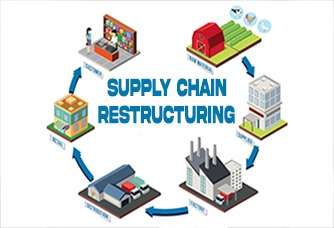
Transition from "Pilot Purgatory" to Scaling AI: Few years have been utilized to experiment on AI capabilities to redefine supply chain nitty-gritty. The convergence of persistent geopolitical volatility, advanced agentic AI capabilities, and strict sustainability regulations is forcing organizations to pivot from pilot projects to fully integrated, autonomous, and regionalized supply chains. Now, as we move forward with 2026, AI is finally moving into scaled deployment today. According to industry reports, about 86 percent of organizations plan to scale AI this 2026, while the 40 percent of enterprise applications is said to embed AI agents to handle routine procurement tasks that encompasses sourcing and contract review with minimal human intervention.
Structural Geopolitical Risk: Becoming a permanent policy, geopolitical tensions and tariffs have forced a complete redesign of supply networks.
Mandatory Sustainability & Compliance: Ensuring Sustainability in supply chain practices has become a need of the hour rather than a mere competitive advantage. This necessitates tracking embedded carbon and ensuring ethical sourcing, which is easier with regionalized, transparent networks.
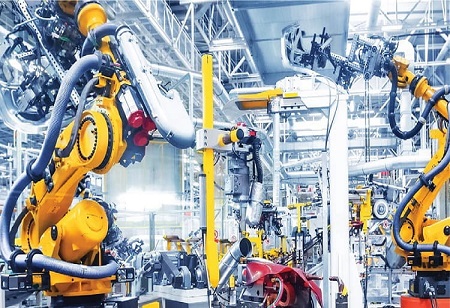
Workforce Shortages: Structural labor shortages in logistics and warehousing are driving a mandatory shift toward automation to complement human talent.
Ajay Nair (PwC India) argues that supply chains have moved from the "backroom to the boardroom," describing them as the "intersection of trust, technology, and transformation. To understand this, let’s delve into the shift to Autonomous Procurement (Agentic AI).
To successfully shift from Lean to Resilient, executives are employing the following strategies:
AI-Powered Demand Planning: Integrating AI capabilities improves forecasting and reduces the amount of excess inventory required, making JIC more cost-effective.
Multi-Tier Visibility: Implementing tools that map sub-tier suppliers (Tier 2 and 3) greatly aids in identifying where critical buffers are necessary.
Regionalization and Nearshoring: Moving inventory closer to the end market which in business terms means “nearshoring” can reduce the lead time required for safety stock replenishment.
Supplier Collaboration: Establishing partnerships that share demand data to allow suppliers to manage the buffer inventory can reduce the direct working capital burden on the manufacturer.
So to say, the goal is not to eliminate inventory but to have the right inventory at the right time, turning supply chain resilience into a "Total Value" proposition rather than merely a cost center.
READ MORE: Creating Scalable Impact Through Biotech Innovation

.jpg "Fostering High-precision, High-performance with Optimal Metal Finishing Excellence")




We use cookies to ensure you get the best experience on our website. Read more...