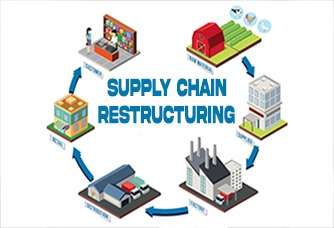
The era of absolute lean manufacturing which was defined by minimal inventory and Just-in-Time (JIT) delivery is being re-evaluated. The "Just-in-Case" (JIC) pivot represents a shift from prioritizing low costs to ensuring operational continuity in a volatile, post-globalized landscape.
By 2026, building resilience through strategic inventory management is not just a defensive tactic, but a key competitive advantage that balances working capital with the high costs of supply chain disruption.
The JIC approach involves proactive risk mitigation by stocking safety buffers. Here are some scenarios it is applicable:
Critical Components: High-risk or long-lead-time components are needed with respect to availability to prevent total production stoppage.
Unpredictable Demand: Buffers against sudden, unexpected spikes in customer demand must be kept in mind.
Regionalized Supply: Inventory located in regional "nearshore" hubs rather than awaiting long-distance shipping.
It is also noteworthy that shifting to JIC requires bundling more working capital in inventory, which directly impacts corporate finance. Executive leaders must re-balance this formula:
Cost of Stockouts vs. Holding Costs: Today, the financial impact of a stopped production line now far outweighs the carrying cost of inventory. JIC reduces stockout risks and avoids the "panic buying" that drives up expenses.
Strategic Stockpiling as a Hedge: When making a bulk purchase, JIC acts as a hedge against rising raw material costs and inflation in 2026 and beyond.
Visibility Across Inventory: Leveraging AI-driven analytics will allow companies to maintain a lower level of "safe" safety stock. This will help in optimizing capital while still ensuring resilience.
READ MORE: Role of Digital Twin & BIM in Delivering End-to-End Facade Solutions


.jpg "Fostering High-precision, High-performance with Optimal Metal Finishing Excellence")




We use cookies to ensure you get the best experience on our website. Read more...