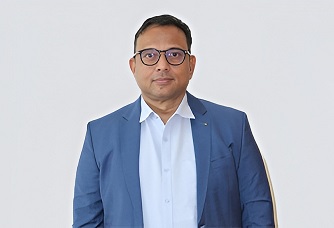
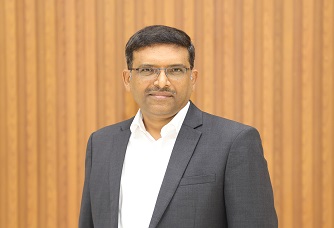
In an exclusive interaction with Thiruamuthan, Assistant Editor at Industry Outlook, Sureshbabu Chigurupalli, Head – Ferro Alloys, Indian Metals & Ferro Alloys Limited, discusses the evolving dynamics of India’s ferroalloy industry, with a strong focus on sustainability, carbon footprint optimization, and energy efficiency. He highlights the growing adoption of renewable energy, digital transformation, and AI-driven process optimization to enhance operational performance. Sureshbabu Chigurupalli is an experienced industry leader with extensive expertise in ferroalloy operations, specializing in process optimization, energy management, and sustainable manufacturing practices.
As India's ferroalloy industry grapples with environmental concerns, how are companies adapting sustainable smelting practices and what trends are driving these changes?
India’s ferroalloy industry is proactively aligning with the national goal of achieving carbon neutrality by 2070. Companies are enthusiastically implementing initiatives to optimize greenhouse gas emissions, enhance energy efficiency, and improve overall resource utilization across operations.
Organizations are implementing multiple initiatives to control greenhouse gas emissions, optimize energy consumption, and reduce overall carbon intensity in manufacturing processes. Across our various operational locations—such as Rayagada (Therubali), Cuttack (Choudwar), and Jajpur—there is a consistent focus on improving energy efficiency, minimizing water usage, and enhancing sustainability metrics.
For instance, at our Therubali location, the facility has achieved water positivity. This means that the amount of water recharged into the ground exceeds the volume extracted for operations. Such initiatives reflect a shift beyond regulatory compliance toward proactive environmental stewardship.
The industry is steadily moving toward greater resource efficiency and alignment with global sustainability benchmarks.
Also Read: Advancements in 5G Chipset Development in India's Semiconductor Sector
Setting your company as an example, how can other companies adapt sustainable smelting practices?
Ferroalloy production is highly energy-intensive, with approximately 40 percent of total production costs attributed to energy consumption. Therefore, optimizing the energy mix is one of the most effective ways to reduce carbon footprint. Many companies are transitioning toward renewable energy sources, and new projects are increasingly being designed to incorporate a higher proportion of green power.
Another important practice is the adoption of closed furnace technology. In this approach, furnace off-gases are not released into the atmosphere but are captured and reused for power generation. This enables recovery of energy that would otherwise be lost, thereby improving overall efficiency.
Additionally, circular economy principles are being implemented. Waste materials generated during smelting are being utilized in construction applications such as road building and infrastructure development. Some materials are also recycled back into the furnace, which helps in reducing raw material consumption and optimizing energy use.
Emerging technologies, such as smelt direct reduction processes being piloted in regions like South Africa, are also showing promising results. These technologies indicate potential reductions of up to 60–70 percent in energy consumption for ferrochrome production, highlighting the direction in which the industry is evolving.
With rising energy costs and carbon emissions, how are ferroalloy smelters optimizing energy efficiency and reducing carbon footprint through innovative technologies?
Ferroalloy producers are adopting a combination of digital transformation, renewable energy integration, and advanced furnace technologies to address rising energy costs and carbon emissions.
Digital twin technology is being introduced to create virtual replicas of furnace operations. This allows for detailed analysis of both metallurgical and electrical parameters, enabling optimization of processes that are otherwise too complex for manual evaluation.
Artificial intelligence (AI) and machine learning (ML) are playing a significant role in analyzing large volumes of operational data. These technologies help identify inefficiencies, optimize raw material usage, and reduce consumption of energy, water, and fluxes. By improving process control and yield, they contribute directly to lowering the carbon footprint.
Closed furnace systems further support emission reduction by capturing and reusing process gases. In parallel, the integration of renewable energy into the power mix reduces dependency on conventional fossil fuels.
Together, these innovations enable a more efficient, data-driven approach to smelting operations, improving both sustainability and productivity.
In response to stricter regulations, how are ferroalloy producers adopting cleaner technologies to meet environmental standards while maintaining production efficiency?
Carbon emissions have become not only an environmental concern but also a financial factor influencing operations, especially with the implementation of global frameworks such as the Carbon Border Adjustment Mechanism (CBAM) by the European Union.
For ferrochrome production, benchmark emission values—such as approximately 5.47 tons of CO₂ per ton of product—are being enforced. This includes both Scope 1 and Scope 2 emissions, requiring companies to take comprehensive measures.
To address these requirements, producers are:
These initiatives help reduce emissions while maintaining operational efficiency. Companies exposed to international markets, particularly the European Union, are actively aligning their practices to meet these evolving standards.
As renewable energy sources become more viable, how are ferro alloy companies integrating them into their smelting processes to reduce dependence on conventional fuels?
Ferroalloy companies are increasingly integrating renewable energy into their operations, particularly in new and upcoming projects. These facilities are being designed to operate with a high proportion of green power, supplemented by a smaller share of conventional grid energy where necessary.
This transition significantly reduces the overall carbon footprint of production and supports the development of greener products, such as low-carbon or “green” ferrochrome.
In addition to energy transition, companies are strengthening quality and traceability systems. Certifications such as NABL accreditation are being adopted to ensure consistency and reliability across the production process.
Digital transformation initiatives are also being implemented organization-wide, including predictive maintenance tools that enhance equipment uptime and ensure stable furnace operations. Consistent operations are critical for maintaining energy efficiency and minimizing wastage.
Considering water usage is a major concern, how are companies in the ferro alloy sector reducing water consumption and optimizing their water management practices?
Water management is a key priority, and companies are adopting advanced systems to minimize consumption and ensure sustainability.
At certain locations, such as Therubali, operations have achieved water positivity, where groundwater recharge exceeds extraction. This is supported by initiatives aimed at enhancing natural replenishment.
Modern effluent treatment plants (ETPs) and zero liquid discharge (ZLD) systems are being implemented to ensure that water used in operations is treated and recycled within the system. Closed-loop water circuits further reduce the need for fresh water intake.
These measures collectively help in minimizing water consumption while ensuring compliance with environmental standards and supporting long-term resource sustainability.
Looking ahead, how do you envision the role of advanced technologies like AI, automation, and carbon capture in shaping the future of sustainable ferro alloy smelting in India?
Advanced technologies such as AI, automation, and predictive analytics are becoming essential components of ferroalloy operations rather than future possibilities.
Given the complexity of smelting processes, which involve monitoring 50 to 60 parameters simultaneously, human intervention alone is insufficient. AI-driven systems enable real-time analysis and predictive decision-making, helping identify optimal operating conditions and potential inefficiencies.
Digital tools and simulations provide deeper insights into process behavior, allowing for better control over resource utilization and improved yield. These technologies also reduce dependency on manual intervention, enhance consistency, and support continuous improvement.
In the future, such advancements are expected to play a critical role in achieving higher efficiency, lower emissions, and more sustainable production practices.
Any advice or closing thoughts for industry leaders and emerging professionals?
My advice to emerging leaders in our industry is clear: we must proactively embrace current and future trends rather than react to them.
The most critical trend today is the urgent need to optimize our carbon footprint. Reducing greenhouse gas intensity is no longer optional — it is a forward-looking business imperative. Failure to act decisively could soon translate into significant financial and regulatory risks. At the same time, these efforts go beyond operational efficiency; they represent a genuine opportunity to contribute positively to environmental sustainability.
We should therefore prioritize carbon neutrality by focusing sharply on lowering CO₂ emissions per ton of production. This means accelerating the adoption of greener technologies, integrating green energy sources, and developing lower-carbon products that meet evolving market and regulatory expectations.
Equally important is leveraging digital transformation. Tools such as artificial intelligence, machine learning, digital twins, simulation models, closed-loop water systems, ore preheating, and predictive control (for example, electrode movement in smelting) can drive substantial gains in resource optimization, process stability, and overall efficiency.
In summary, the path forward lies in combining aggressive greenhouse gas reduction with smart digitalization. By investing in green technologies and intelligent systems today, we can build more resilient, competitive, and environmentally responsible operations for tomorrow.
.jpg "Textile Special")


We use cookies to ensure you get the best experience on our website. Read more...