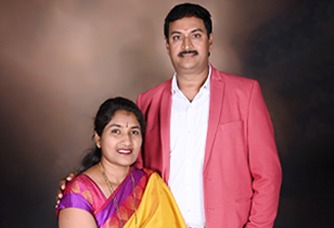
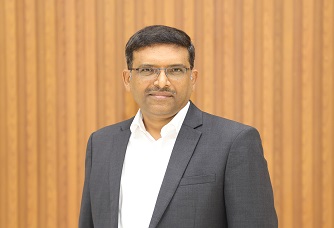
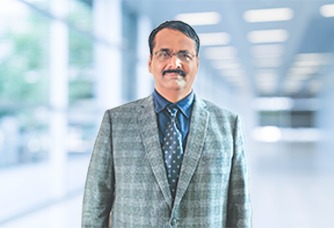
Manjunatha Varada, Founder of Surya Buildtech, is driving the company’s vision in delivering innovative and reliable construction solutions. With strong industry expertise, he focuses on quality, timely execution, and sustainable development.
He is committed to building long-term client relationships, expanding market presence, and leading strategic growth initiatives in the construction and infrastructure sector.
The infrastructure and interior design industry is evolving rapidly. What key trends do you believe will shape the future of this sector over the next 3–5 years?
The infrastructure and interior design industry is entering a phase where technology, sustainability, and human-centric design are converging. Over the next 3–5 years, the sector won’t just evolve aesthetically—it will fundamentally change how spaces are designed, built, and experienced. Here are the key trends shaping the future:
With the growing demand for turnkey and end-to-end project solutions, how do you ensure a balance between quality, cost efficiency, and timely delivery in complex projects?
Balancing quality, cost efficiency, and timely delivery in turnkey / end-to-end projects isn’t about trade-offs—it’s about system design, discipline, and early decisions. In complex infrastructure and interior projects, the winners are those who reduce uncertainty before execution even begins.
Sustainability and smart infrastructure are becoming critical priorities. How is your organization incorporating these elements into its projects and long-term strategy?
We treat sustainability and smart infrastructure as core to our design and execution process, not as add-ons. At the design stage, we focus on optimizing layouts, maximizing natural light, and selecting low-impact, durable materials. We also use tools like Building Information Modelling to reduce material waste and improve efficiency from the outset.
On the execution side, we work with responsible vendors, prioritize locally sourced materials, and implement strict waste management practices on site. At the same time, we’re increasingly integrating smart systems—like automated lighting and energy-efficient solutions—to ensure spaces are not just well-designed but also perform efficiently over time.
From a long-term perspective, our goal is to standardize sustainable materials, build a strong green vendor ecosystem, and make smart-ready infrastructure a default across projects. This helps us deliver spaces that are environmentally responsible, cost-efficient over their lifecycle, and future-ready for our clients.
Also Read: Make-in-India Initiative and Its Impact on Semiconductor Tech
In a project-driven industry like construction and interior execution, how do you build, lead, and sustain high-performing teams?
In project-driven environments like interiors and construction, I focus on three things—clarity, ownership, and communication. I ensure the right people are in the right roles, especially strong site leadership, and define clear responsibilities with measurable milestones.
We maintain a strong execution rhythm through daily site reviews and quick decision-making loops to avoid delays. I also invest in upskilling teams and aligning them on quality standards, often using tools like Building Information Modeling to improve coordination.
Ultimately, consistent processes and empowered teams are what drive high performance and reliable project delivery.
In a highly competitive market, what has been your approach to building long-term client relationships and ensuring consistent repeat business?
In the corporate and commercial segment, long-term relationships are built on reliability, predictability, and business alignment. My approach is to first understand the client’s operational goals—whether it’s speed to market, cost control, or brand consistency—and align our delivery accordingly.
We focus heavily on process-driven execution, clear timelines, and transparent reporting so clients have full visibility at every stage. Consistency across multiple locations or projects is also critical, so we standardize designs, vendors, and execution methods wherever possible.
Equally important is post-handover support—quick issue resolution and the ability to scale with the client’s future needs. Over time, this builds trust, and we become less of a vendor and more of a long-term execution partner.
What core leadership principles or personal philosophies have significantly influenced your journey and decision-making as a leader?
My leadership is grounded in ownership, clarity, and a people-first approach. I take full accountability for outcomes, define roles and processes clearly to prevent confusion, and empower teams to excel under pressure. I prioritize consistency over intensity—creating disciplined systems that deliver high-quality results repeatedly rather than relying on one-off efforts. These principles guide both my decision-making and the culture I cultivate within my teams.”
Can you share a challenging project or a defining moment in your career that played a key role in shaping your leadership perspective?
My leadership is defined by a balance of ownership, strategic decision-making, and team empowerment. I remain accessible to my team, actively incorporating their feedback on people, materials, and site conditions. By anticipating challenges, communicating clearly, and responding decisively, I’ve developed the resilience and adaptability that drive high-performing teams and successful project outcomes.

We use cookies to ensure you get the best experience on our website. Read more...