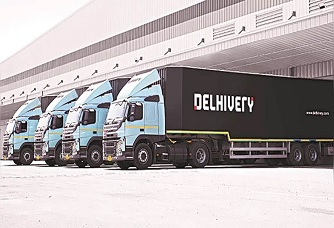
Delhivery is accelerating its electric mobility plans with a major commercial electric vehicle deployment.
The logistics company has signed MoUs with Tata Motors, Euler Motors, and Montra Electric. It plans to deploy 1,500–2,000 four-wheeler electric commercial vehicles across its intra-city network over the next 12–18 months.
The agreements mark the first phase of Delhivery's larger target to deploy nearly 5,000 electric commercial vehicles within three years. The initiative will initially focus on intra-city vehicles covering less than 200 km daily. This segment offers growing cost advantages for electric vehicles over diesel-powered alternatives.
Electric vehicles currently account for around 12–13 percent of Delhivery's eligible intra-city fleet. The company aims to increase this share to more than 50 percent over the next two to three years. It also plans to fully electrify its fleet operating below 200 km within four to five years.
The commercial electric vehicle expansion will cover multiple small commercial vehicle categories. Delhivery will initially introduce vehicles suited to urban deliveries before adding higher-capacity models for heavier payloads.
Also Read: India's Consumer Durables Market: The Rise of Premium Demand
Key initiatives supporting the transition include:
The partnerships will cover different vehicle categories and operational requirements. Tata Motors will supply its Tata Intra EV, while Euler Motors' Turbo City Plus will be the first vehicle deployed for smaller commercial applications.
Larger electric vehicles will be introduced later to support operations requiring higher payload capacities. Meanwhile, the partnership with Montra Electric will expand EVIATOR deployments nationwide, building on its existing performance within Delhivery's network.
Commenting on the partnerships, Prashant Gazipur, Chief Operating Officer, In City Operations, Delhivery, said scaling fleet electrification requires solutions that meet diverse network requirements without affecting operational efficiency.
He added that partnerships with the three manufacturers would help expand its commercial electric vehicle fleet across categories. The charging facilities being piloted will also make EV adoption more affordable for vendor partners.
The company said these initiatives form part of its broader efforts to reduce the environmental impact of logistics operations while maintaining network efficiency and reliability.







We use cookies to ensure you get the best experience on our website. Read more...