India’s PET packaging industry is growing rapidly, driven by demand from the food, beverage, pharmaceutical and personal care sectors. As quality standards rise, clean air and oil-free compressors are becoming increasingly important for ensuring product quality, production efficiency and reliability in PET manufacturing.
One area that often receives less attention than it deserves is compressed air. While it is commonly viewed as just another utility that powers equipment, the quality of compressed air has a direct impact on product quality, production reliability and regulatory compliance.
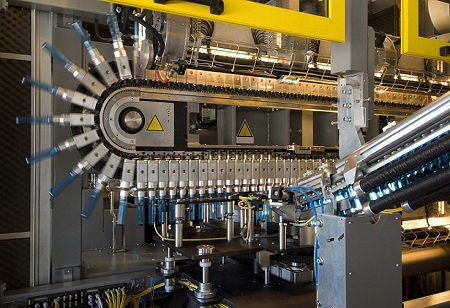
Bottle blowing is where this becomes particularly important. Preforms are expanded into finished bottles in seconds using compressed air at pressures that can range from 25–40 bar, depending on the process and equipment. Any oil contamination in this air stream can compromise the quality of the finished bottle, particularly when the packaging is intended for drinking water, soft drinks, edible oil or pharmaceutical products. At the volumes PET plants operate, maintaining consistent compressed air quality is essential to keeping production reliable.
The challenge becomes more significant when production runs into thousands of bottles every hour. A small inconsistency in air quality can affect a large number of bottles before the problem is detected. Manufacturers therefore need to consider compressed air quality throughout the production process, rather than treating it as a maintenance issue that can be addressed periodically.
Reliable PET production begins with understanding that every supporting system influences the final product. Compressed air deserves the same attention as other critical manufacturing processes.
This is where the difference between oil-free compressors and technically oil-free compressed air matters. Many plants use oil-lubricated compressors with downstream filters to remove oil from the compressed air.
While filtration can reduce contamination, its effectiveness depends on the condition of the filters, their maintenance and the overall system design. Filters need regular inspection and replacement, and a failure or missed maintenance check can increase the risk of oil carryover. This approach manages the risk rather than removing oil from the compression process itself.
A true oil-free compressor eliminates oil from the compression chamber, reducing the risk of oil entering the compressed air stream at its source. This distinction becomes important when the potential cost of contamination is considered.
An affected batch can mean more than rejected bottles, which can lead to production losses, additional quality checks, customer complaints, and, in serious cases, product recalls. For food, beverage and pharmaceutical companies, protecting product quality is closely tied to maintaining customer confidence.
Oil-free compression does not eliminate the need for appropriate air treatment and routine monitoring. Moisture, particles and other contaminants should still be managed according to the application. However, eliminating oil from the compression chamber reduces dependence on downstream filtration for controlling oil contamination and gives manufacturers greater confidence in the quality of the air used in production.
Energy consumption is another important consideration. Compressed air energy consumption can account for a significant share of a PET plant's electricity use, particularly in high-pressure bottle-blowing applications that operate for extended periods. The cost of running a compressor over its working life can considerably exceed its initial purchase price. Electricity consumption, maintenance, filter replacements, pressure losses and production stoppages all contribute to the total cost of ownership (TCO).
This makes it important to look beyond the compressor's rated capacity when selecting equipment. The system needs to be sized according to actual air demand, required operating pressure and production schedules. An oversized system can consume unnecessary energy, while an undersized system may struggle to maintain the pressure and airflow needed during peak production. Both can affect operating costs and production reliability.
Also Read: Compressed Air Tech Breakthroughs That Are Reshaping Manufacturing
Variable speed drive (VSD) technology can help in applications where air demand fluctuates. By adjusting motor speed to match changing demand, a VSD compressor can reduce unnecessary energy consumption compared with a fixed-speed unit under suitable operating conditions.
The benefits depend on the demand profile, operating pressure and system configuration. In a PET facility, understanding how air consumption changes across production lines is therefore an important part of choosing the right compressor arrangement.
Compressed air system design matters just as much as the compressor itself. Leaks in the distribution network, unnecessarily high pressure settings and pressure drops across filters and pipework can all increase energy consumption.
Regularly checking the system, monitoring pressure and addressing leaks can help improve performance without requiring a complete equipment replacement. Manufacturers should assess the compressor, air treatment equipment, distribution network and controls as one integrated system.
Production reliability is equally important on production lines that run around the clock. Unplanned stoppages can disrupt schedules, delay deliveries and increase operating costs. Inadequate air quality can also contribute to contamination-related cleaning requirements, while inconsistent pressure and airflow can affect process stability. A well-designed compressed air system, supported by appropriate maintenance, helps production teams maintain consistent operating conditions and reduce avoidable interruptions.
Preventive maintenance is another part of the equation. Filter changes, inspections and compressor servicing must be scheduled around production requirements.
Oil-free systems can reduce oil-related maintenance activities and eliminate the need to manage compressor oil in the compression process. However, they still require servicing and monitoring to ensure dependable operation. The objective is not to eliminate maintenance, but to make it more predictable and reduce the risk of disruptions that could have been avoided.
Sustainable PET manufacturing adds another reason to review compressor selection. Oil-free systems eliminate the handling and disposal of compressor oil associated with oil-lubricated compression. Where the system also delivers lower energy consumption, it can help reduce the environmental impact of production. These benefits depend on the equipment selected, the operating conditions and how effectively the compressed air system is maintained.
For PET manufacturers, these considerations are closely connected. Better air quality helps protect the product, appropriate system sizing supports energy efficiency and reliable equipment helps maintain production schedules.
Reducing rejected bottles and avoidable downtime can also limit material wastage. No single compressor feature delivers all these benefits on its own; the outcome depends on selecting equipment that meets the application requirements and operating it as part of a well-managed system.
Chicago Pneumatic offers oil-free compressor solutions, including its SPR series, for applications that require reliable compressed air with controlled oil contamination risk. The suitability of a particular model depends on the pressure, flow and air-quality requirements of the application.
For PET bottle blowing, manufacturers must ensure that the complete system meets the required high-pressure demand and air purity specifications. Where applicable, ISO 8573-1 Class 0 certification provides assurance that the compressor meets the specified oil-purity classification; it should not be taken to mean that the air is automatically free of every type of contaminant.
Manufacturers planning to install or upgrade an existing facility should make a clear assessment of their production requirements. Required pressure, airflow, operating hours, changes in demand and air-quality expectations all need to be considered before selecting equipment. Reviewing all these factors helps manufacturers make a more informed decision about compressor technology and overall system design.
As quality expectations rise across PET manufacturing, compressed air deserves to be treated as a core part of the production process rather than a background utility. The choice between oil-free and technically oil-free compression is not simply about the machine being installed. It is about managing contamination risk, maintaining consistent production and controlling operating costs over the equipment's working life.
For manufacturers looking to build reliable and efficient PET production lines, air quality is a decision worth getting right from the start.
Prashant Sanghotra is an experienced industrial leader with over 27 years of expertise in business development, market expansion, and customer engagement. He has strengthened dealer networks, expanded industrial air solutions, and driven sustainable business growth across diverse sectors in India.






We use cookies to ensure you get the best experience on our website. Read more...