India’s trade agenda is gaining momentum as negotiations with Chile approach a potential conclusion and Canada trade talks continue to advance.
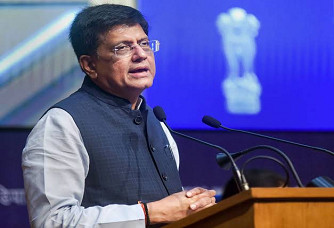
Commerce and Industry Minister Piyush Goyal has described the India-Chile FTA negotiations as “quite ripe” for conclusion, signaling progress towards a potential agreement.
These parallel negotiations highlight India’s efforts to expand international market access and create new opportunities for exporters and manufacturers.
However, the real test lies in translating negotiating progress into commercially meaningful agreements that strengthen Indian exports, attract investment and support manufacturing growth.
The proposed India-Chile Comprehensive Economic Partnership Agreement (CEPA) could broaden trade and investment ties between the two countries. Goyal’s latest assessment signals progress, although both sides must complete negotiations before the agreement can take effect.
The proposed pact could strengthen cooperation in several areas:
For Indian exporters, the agreement’s value will depend on the final terms, including market access and tariff concessions.
Also Read: Indian Air Force at 94: From Four Aircraft to Modern Air Power
While Chile appears closer to concluding negotiations, Canada represents another important opportunity for India’s trade agenda. Goyal has indicated that negotiations for the proposed India-Canada Comprehensive Economic Partnership Agreement are progressing.
The potential agreement could strengthen commercial cooperation across energy, technology, pharmaceuticals and agriculture. It could also help Indian businesses expand their presence in the Canadian market.
However, negotiators must resolve outstanding issues before either government can finalize the pact. Chile offers a nearer-term prospect, while Canada represents another significant opportunity that requires continued negotiation.
India’s trade agenda extends beyond Chile and Canada. The country is also pursuing negotiations with the Southern African Customs Union (SACU), exploring an expansion of its existing preferential trade arrangement with Mercosur, and considering further trade engagement with Mexico.
These efforts could help Indian manufacturers and exporters diversify their customer base, explore new markets and strengthen international supply chains.
However, trade agreements do not automatically increase exports. Businesses must remain competitive on pricing, quality, and delivery while meeting destination markets’ regulatory requirements. The final terms of each agreement will determine which industries gain the most.
Three developments will shape the next phase of India’s trade agenda:
India’s expanding trade agenda signals an effort to deepen international commercial ties. The Chile agreement could provide an early milestone, while Canada offers another significant opportunity. Ultimately, success will depend on whether these agreements deliver measurable gains for Indian businesses.







We use cookies to ensure you get the best experience on our website. Read more...