Clean energy investments are reshaping India's energy manufacturing landscape, with new battery production capacity, specialized materials and alternative fuels emerging as important areas of industrial development.
Today five developments highlight this shift, from ChemVolt Global's proposed Rs 2,500 crore lithium-ion battery facility in Madhya Pradesh to SRF's investment in battery-grade aluminium foil.
Meanwhile, the government's proposed incentives for methanol-powered ships and sustainable aviation fuel (SAF) blending targets signal opportunities beyond conventional electricity generation.
India's progress towards its 2030 green goals points towards another direction, highlighting the importance of infrastructure, domestic manufacturing and implementation.
Together, these developments underline how the clean energy transition depends not only on new capacity but also on the supply chains and industrial systems supporting it.
ChemVolt Global has proposed an investment of Rs 2,500 crore to establish a lithium-ion battery cell manufacturing facility at Ratlam's Smart Industrial Township in Madhya Pradesh.
The proposed facility is intended to manufacture battery cells for electric vehicles and energy storage systems. Its development could strengthen India's domestic battery supply chain.
ChemVolt's investment is significant for clean energy manufacturing because battery cells are essential for storing renewable electricity and supporting electric mobility.
The key challenge will be translating the proposed investment into production capacity and reliable domestic supply.
Also Read: PM Surya Ghar Muft Bijli Yojana 2026: Rooftop Solar Subsidy, Installation & Online Application
SRF Limited has approved Rs 600 crore for a battery-grade aluminium foil manufacturing facility at Jetapur, Madhya Pradesh, through its wholly owned subsidiary, SRF Altech Limited.
The facility is designed to serve lithium-ion and sodium-ion battery applications, with a proposed capacity of approximately 12,000 metric tons annually. The investment will be implemented in two phases of Rs 300 crore each.
The project addresses an important but less visible part of battery manufacturing: specialized materials used in battery components.
Developing domestic production could strengthen sourcing options for energy-storage and electric-vehicle manufacturers.
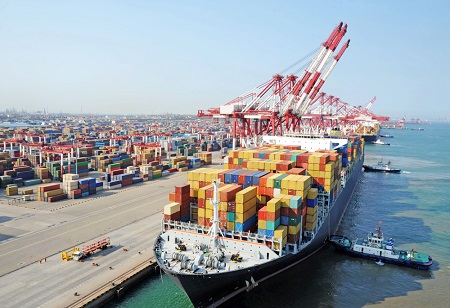
The Union government is weighing a policy to prioritize methanol as the main alternative fuel to strengthen its marine fuel decarbonization efforts.
Potential measures include tax concessions and relaxed compliance requirements, although these are under consideration rather than confirmed incentives.
The proposed approach could create opportunities for alternative-fuel producers, vessel technology suppliers and port infrastructure developers.
The fuel's environmental benefits will also depend on its production pathway. Green methanol produced using renewable energy and suitable feedstocks can support maritime decarbonization, while fossil-based methanol offers different outcomes.
India has set an indicative sustainable aviation fuel (SAF) blending target of 1 percent for international flights from 2027, rising to 2 percent in 2028 and 5 percent in 2030.
The government has also brought SAF-blended aviation fuel within the Aviation Turbine Fuel regulatory framework. The targets create opportunities for refiners and biofuel producers to develop eligible domestic supplies.
Indian Oil Corporation has received certification for SAF production at its Panipat refinery, demonstrating progress in domestic production capability.
SAF must also satisfy applicable sustainability criteria to qualify under the international aviation framework.
India is progressing towards its 2030 green-energy goals, but a United Nations assessment warns that global climate action remains insufficient to limit warming to 1.5 degrees Celsius above pre-industrial levels.
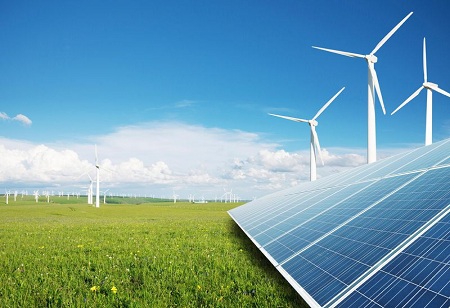
For India's energy industry, the challenge extends beyond adding renewable capacity. Transmission infrastructure, energy storage and grid flexibility are essential to deliver reliable electricity as solar and wind generation expands.
Closing the implementation gap will require coordinated investment in generation, transmission and storage, alongside measures that help industrial users adopt cleaner energy.
These five developments show that India's clean energy transition is increasingly connected to manufacturing depth, fuel innovation and infrastructure delivery.







We use cookies to ensure you get the best experience on our website. Read more...