Sudeesh Karimbingal is a seasoned business leader with nearly three decades of expertise in sales, program management, and business operations across global automotive and industrial sectors. Currently serving as Managing Director India at MANN+HUMMEL, he is known for driving strategic growth, building high-value client relationships, and leading cross-functional teams to deliver technology-driven solutions that enhance performance and profitability.
The article below discusses how advanced filtration technologies are becoming essential to modern mobility as the industry evolves toward cleaner and more efficient systems. It explores their role in supporting performance, reliability, and sustainability across emerging vehicle technologies and industrial applications.
The global mobility industry is undergoing one of its most significant transformations. Electrification is advancing rapidly across passenger and commercial vehicles, emission regulations are becoming more stringent, and governments and manufacturers are pursuing ambitious decarbonization goals.
At the same time, consumers expect higher levels of reliability, safety, sustainability, and performance. The mobility ecosystem is also being reshaped by increasing focus on air quality, urbanization, and the need for more sustainable transportation systems.
Much of the conversation around the future of mobility focuses on batteries, software, connectivity, autonomous technologies, and alternative fuels. While these innovations are critical, there is another technology quietly enabling their success: advanced filtration.
For instance, we at MANN+HUMMEL are continuously advancing filtration technologies to address these evolving challenges across mobility and industrial applications, with a strong focus on innovation, sustainability, and customer-centric solutions. Often overlooked, filtration plays a fundamental role in ensuring that modern mobility systems operate efficiently, safely, and reliably throughout their lifecycle.
This transformation is not only redefining how vehicles are powered, but also how they are designed, operated, and sustained across their lifecycle.
Advanced filtration may be largely invisible, but it plays a critical role in ensuring modern mobility systems operate efficiently, reliably, and sustainably throughout their lifecycle.
As vehicle systems become more sophisticated and operate with increasingly precise tolerances, even small amounts of contamination can significantly impact performance. Airborne particles, moisture, fluid contaminants, and chemical impurities can accelerate wear, reduce efficiency, and shorten component life.
Advanced filtration technologies help protect critical systems including engines, fuel systems, cooling circuits, hydraulics, transmissions, and electronics, ensuring optimal performance and durability.
The benefits extend far beyond component protection. Cleaner systems operate more efficiently, require less maintenance, and deliver greater reliability. For fleet operators, this translates into improved uptime, lower lifecycle costs, and more predictable maintenance schedules.
For vehicle manufacturers and owners, it enhances system efficiency, improves safety, protects critical components, and delivers long-term operational reliability and cost efficiency.
The transition towards electric mobility is also creating new filtration requirements. Unlike conventional internal combustion engine vehicles, electric vehicles rely heavily on batteries, power electronics, and thermal management systems.
Battery cooling systems require exceptionally clean fluids to maintain efficient heat transfer and stable operating temperatures. Contamination within cooling circuits can compromise thermal performance, accelerate component wear, and affect battery life and reliability. Advanced filtration helps maintain cleanliness levels required for safe and efficient operation.
Hydrogen-powered mobility is creating another set of challenges. Fuel-cell systems depend on extremely high levels of air and hydrogen purity, as even minor contaminants can affect fuel-cell efficiency, durability, and overall performance.
Advanced filtration solutions play a critical role in protecting fuel-cell stacks and supporting reliable long-term operation, making them an essential enabler of the emerging hydrogen mobility ecosystem.
At the same time, cabin air quality has become an increasingly important consideration, particularly in urban environments. Today’s cabin air filtration systems do far more than enhance comfort. They help reduce exposure to dust, particulate matter, allergens, and airborne pollutants, contributing to healthier and safer in-vehicle environments for drivers and passengers alike.
The relevance of advanced filtration extends beyond mobility. Across industries such as manufacturing, healthcare, electronics, energy, and water treatment, filtration technologies help protect critical equipment, improve operational efficiency, maintain product quality, and support increasingly stringent environmental and safety standards. As industries become more automated and sustainability-focused, the importance of effective contamination control continues to grow.
Beyond performance benefits, advanced filtration technologies are increasingly helping industries reduce their environmental footprint. By reducing emissions, improving energy efficiency, extending component life, and minimizing waste generation, filtration supports more responsible use of resources across mobility and industrial applications. As organizations focus on decarbonization and circularity, filtration is evolving from a compliance-driven requirement into a strategic enabler of sustainable growth.
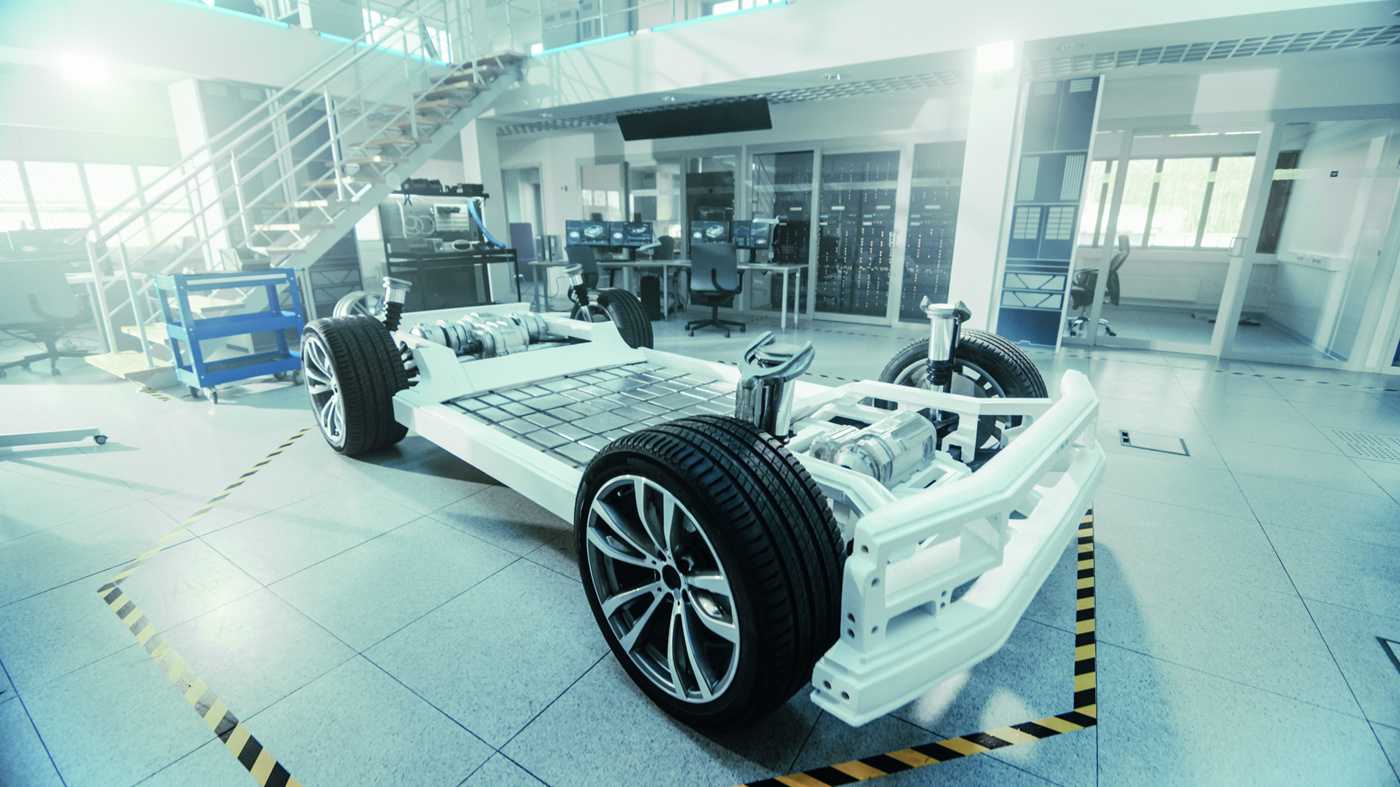
India is rapidly emerging as a key global hub for engineering, innovation, and manufacturing in advanced mobility technologies. With strong engineering capabilities, expanding R&D investments, and one of the world’s largest automotive and auto-component ecosystems, the country is attracting global companies to scale their engineering and product development capabilities. Leveraging India’s deep talent pool, these organizations are increasingly designing and validating solutions for global markets from India.
As mobility technologies continue to evolve, India has an opportunity to contribute not only as a major market but also as a source of innovation. EV platforms, hydrogen-based systems, advanced thermal management technologies, and next-generation air quality solutions will all require increasingly sophisticated filtration systems. India’s engineering expertise and manufacturing capabilities provide a strong foundation to address these emerging needs.
Also Read: Zero-Emission Mobility: India's Path to Cleaner Urban Transport
Looking ahead, filtration technologies are becoming smarter as well. Increasing integration with sensors, diagnostics, and connected vehicle systems is enabling a shift from passive protection to active monitoring and optimization. Predictive maintenance capabilities can help identify contamination-related issues before they affect performance, improving reliability, efficiency, and asset utilization.
The future of mobility will not be defined solely by batteries, software, hydrogen, or autonomous technologies. It will also depend on the enabling innovations that ensure these systems operate efficiently, reliably, and sustainably.
Filtration is one such technology, largely invisible, yet fundamentally indispensable in enabling cleaner, smarter, and more sustainable mobility systems. As vehicles become cleaner, smarter, and more connected, advanced filtration will continue to serve as a critical foundation for performance, safety, sustainability, and environmental stewardship.
.jpg "AR Enterprises: Building The Supply Networks Behind India's Construction Growth")
.jpg "Industrial Packers: Engineering Industrial Packaging for India's Manufacturing Future")



We use cookies to ensure you get the best experience on our website. Read more...