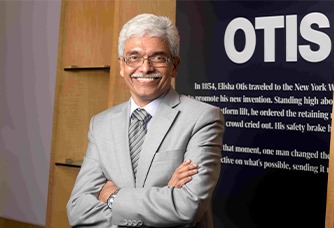
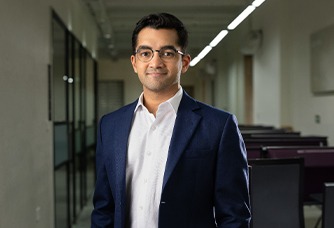
Sebi Joseph is a seasoned leader with nearly three decades of experience at Otis, specializing in elevator modernization, operations management, business leadership, and talent development. Having held leadership roles across India, Singapore, the Philippines, and the Gulf region, he has contributed to landmark projects including the Burj Khalifa.
As President of Otis India since 2015 and former Chairman of the Elevators & Escalators Division at IEEMA, he is recognized for driving innovation, industry advancement, and people-centric leadership in the vertical transportation sector.
Sebi Joseph, President, Otis India, engaged in a conversation with Thiruamuthan, Assistant Editor at Industry Outlook, discusses how India’s aging elevator infrastructure is driving a surge in modernization and retrofitting demand. He highlights how retrofitting older elevators with smart technologies improves safety, compliance, energy efficiency, and reliability, making it a cost-effective solution for future urban mobility.
Given the large installed base of aging elevators across India, what key safety and performance gaps are driving the current wave of retrofitting demand?
Modernization has become central to how the elevator industry will evolve over the next decade. There are an estimated 23 million elevators operating around the world. Of that number, around 9 million are 15 – 20 years old and ready for modernization, and that number increases substantially every year.
India reflects this global reality in its own unique way. Cities such as Mumbai, where over 900 housing societies have embarked on redevelopment since 2020, and parts of Delhi, are witnessing strong momentum.
Many older elevators would benefit from safety improvements: they may lack advanced door protection systems, reliable emergency communication features, and modern braking technologies, for example. Mechanical wear in motors, ropes, and controllers further compromise performance, leading to uneven rides, frequent breakdowns, and longer downtimes. These gaps not only inconvenience residents but also pose real safety risks in high‑density urban environments.
Retrofitting addresses these issues head‑on, ensuring compliance with current safety standards while restoring reliability and efficiency. For India’s aging elevator stock, modernization is no longer optional, but essential to safeguard users and sustain the pace of urban living.
Amid growing trade-offs between retrofit and replacement, how are cost, downtime, and regulatory compliance shaping upgrade strategies in existing buildings?
In India’s rapidly aging buildings, owners are weighing retrofit against full replacement with a sharp eye on practical realities. Full replacement often demands significant capital outlay and extended disruption, which many housing societies and commercial complexes find impractical. Retrofitting, by contrast, allows owners to phase investments, minimize downtime, and keep residents moving with far less inconvenience.
At the same time, evolving safety codes and regulatory standards make compliance non‑negotiable. Older systems must be modernized to meet requirements around emergency communication, braking systems, and accessibility. In this context, retrofit emerges as a pragmatic path to safer, compliant, and reliable mobility.
The rise of IoT-enabled retrofits marks a shift from reactive maintenance to predictive intelligence, transforming elevators into smarter, more reliable infrastructure within modern buildings
In light of evolving safety codes and stricter enforcement, how are retrofit solutions addressing compliance challenges in structurally constrained older buildings?
India’s elevator industry has entered a new era of compliance, with the introduction of IS 17900 Part 1 and 2 marking one of the most momentous steps forward. Together, they raise the bar for reliability and passenger confidence.
For older buildings, however, structural constraints often make full replacement impractical. Retrofit solutions are bridging this gap by integrating modern safety features, advanced braking systems, door protection, and emergency communication into existing shafts and frameworks. By doing so, they align legacy infrastructure with current codes without demanding extensive engineering modifications.
The result is that compliance is achieved, downtime is minimized, and residents stay assured that even aging structures can meet today’s stringent safety expectations.
Leader's Thoughts: Eco-Smart Elevators: How It's Shaping Tomorrow's Low-Carbon Cities
Against the backdrop of rising urban density, how are modernization upgrades improving elevator speed and handling capacity without major structural changes?
Our country’s rising urban density demands elevators that move more people, more efficiently, without disrupting existing structures. Modernization upgrades are delivering exactly that. Older elevators were designed for lower traffic volumes and slower travel speeds.
Modernization upgrades help reduce floor-to-floor travel time, enabling elevators to move passengers more quickly and efficiently. Smart optimization ensures elevators can respond faster to demand, improving movement across busy buildings.
Advanced control systems optimize dispatching and reduce wait times, while variable‑frequency drives enhance motor efficiency to increase speed and smooth acceleration. Door mechanisms are being upgraded to shorten cycle times, improving passenger flow.
Importantly, these solutions are designed to fit within existing shafts and frameworks, avoiding costly modifications. The result is a significant uplift in handling capacity and ride quality, achieved through intelligent technology integration rather than major structural overhaul.
Considering the push toward energy efficiency in buildings, how are technologies like regenerative drives and smart controllers delivering measurable savings through retrofits?
Older elevators, with worn components and less efficient motors, naturally consume more energy, making modernization a critical lever for building efficiency. Retrofit technologies such as regenerative drives are transforming this equation.
Otis’ ReGen drive, for instance, captures surplus energy during elevator operation and feeds it back into the building’s grid. Smart controllers further optimize traffic flow, ensuring elevators run only when needed and avoid unnecessary idling.
Building owners can choose from tailored modernization packages that enhance performance and help buildings actively contribute to a more sustainable, smarter urban future, turning elevators into a meaningful part of the sustainability journey.
As digital technologies become integral to building systems, how are IoT-enabled retrofits enhancing predictive maintenance and long-term reliability of legacy elevators?
Digital technologies are redefining expectations for building performance, and elevators are no exception. IoT‑enabled retrofits allow even legacy systems to be transformed into connected assets that deliver predictive service and long‑term reliability. IoT-enabled systems work by collecting real-time data on parameters such as door performance, motor temperature, vibration, trip frequency, and energy usage.
This data is analyzed through cloud-based platforms and AI-driven diagnostics to identify wear patterns, detect anomalies, and predict component failures before breakdowns occur. Remote monitoring also allows service teams to respond faster, reduce downtime, and plan maintenance more efficiently. Otis’ ONE platform is an example of this technology in action.
For building managers, the benefits go beyond just maintenance, as smart upgrades improve tenant experience, accessibility, and property appeal, making older buildings competitive in a modern urban landscape. By embedding intelligence into existing infrastructure, IoT-enabled retrofits ensure elevators remain efficient and aligned with the digital future of India’s cities.
Leader's Thoughts: How Smart Elevators Are Transforming Vertical Mobility
Looking ahead, how will retrofitting evolve as a long-term strategy as India’s elevator infrastructure continues to age and performance expectations rise?
Over the coming decade, modernization will shift decisively from being a discretionary upgrade to an essential pillar of India’s urban development. The country has invested in remarkable infrastructure and high‑end developments that cannot simply be rebuilt every time technology advances. As these assets age, modernization is the path to keep them safe, efficient, and relevant.
The current phase of retrofitting is just the beginning; the real estate boom we see today will naturally trigger a modernization wave 10–20 years from now, as expectations for performance and reliability continue to rise. In that environment, retrofitting will no longer be viewed as optional, but as an integral strategy to ensure India’s vertical infrastructure remains future‑ready and resilient.
.jpg "Saksham Enterprises: Optimizing Mission- Critical HVAC Infrastructure For The High Precision Sector")
.jpg "JDS Group of Companies: Innovating Smart Solutions For Modern Power Transmission & Distribution Infrastructure")

We use cookies to ensure you get the best experience on our website. Read more...