India's industrial landscape witnessed significant developments across energy, manufacturing, transportation, semiconductors, defense, pharmaceuticals, and critical minerals this week.
These top stories across industries highlight major investments, policy decisions, and infrastructure projects shaping the country's industrial future.
Companies continued expanding their manufacturing capabilities while the government pushed initiatives to strengthen domestic production and strategic sectors. Here is a roundup of the biggest developments from Jul 20 to Jul 25.
Adani Group is evaluating its entry into India's nuclear power sector as the country looks to diversify its clean energy mix. The company is reportedly studying investment opportunities but will require policy reforms before moving ahead. Private participation in nuclear power remains restricted under the current regulatory framework. If approved, the move could open a new chapter for private investment in India's energy infrastructure.
"It will all depend on which would be cost-effective. Electricity has to be viable for the Indian consumers, and the type of rates which are affordable to power distribution companies," said Shersingh Khyalia, Chief Executive Officer of Adani Power.
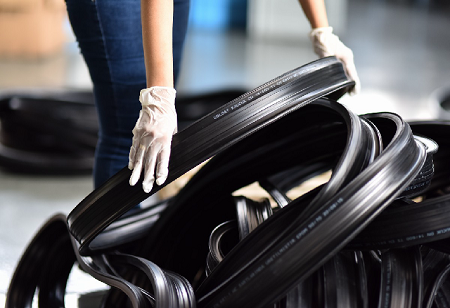
India's bullet train project has taken another step toward self-reliance with greater participation from domestic manufacturers. More components required for the high-speed rail network are now being produced within the country. The initiative supports the Make in India program while reducing import dependence. It is also expected to strengthen the local railway manufacturing ecosystem and create skilled employment opportunities.
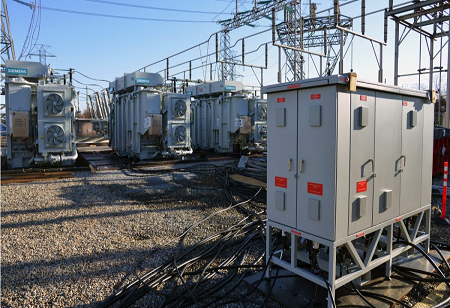
The government informed Parliament that coal continues to play a central role in India's electricity generation despite rapid renewable energy expansion. Officials said thermal power remains essential for ensuring reliable base-load electricity. Renewable energy capacity is growing, but coal will continue supporting rising power demand. The government reiterated its commitment to balancing energy security with sustainability.
Also Read: How LiDAR, Thermal & UV Payloads Revolutionize Power Transmission
The Centre clarified that premium petrol sold in India will continue following ethanol blending norms. It stated there are no plans to restore ethanol-free E0 or E10 premium petrol. The clarification supports India's ongoing ethanol blending program aimed at reducing crude oil imports. The initiative also promotes cleaner fuel usage and improves the country's energy security.
India is increasing its engagement with Myanmar to secure supplies of critical rare earth minerals used in advanced manufacturing. These minerals are essential for electronics, electric vehicles, renewable energy, and defense technologies. The initiative is part of a broader strategy to reduce dependence on limited global suppliers. Strengthening mineral security has become a key priority for India's manufacturing ambitions.
Sona Comstar reported a strong financial performance for the first quarter of FY27, recording a 54% year-on-year revenue growth. The growth was driven by increasing demand across electric mobility and automotive technologies. The company continues expanding its global customer base while investing in advanced mobility solutions. Its performance reflects the growing opportunities in the EV supply chain.
Vivek Vikram Singh, Managing Director and Group Chief Executive Officer of Sona Comstar, said the first quarter marked an important milestone with the launch of the company’s next phase of growth strategy.”
He said the partnership with DENSO strengthens Sona Comstar’s capabilities in high-voltage electric and hybrid powertrain systems, while the expansion into robotics and physical AI opens new opportunities beyond automotive electrification.
Apollo Micro Systems received a new surveillance equipment order from the Indian Navy, strengthening its position in the defense electronics sector. The contract highlights the growing emphasis on indigenous defense manufacturing under the Make in India initiative. The company continues supplying advanced electronic systems for military applications. The order also supports India's efforts to modernize its armed forces.
Baddam Karunakar Reddy, Managing Director of Apollo Micro Systems, described the order as a defining milestone for the company. He said the programme reflects years of investment in indigenous defence electronics and mission-critical systems and represents an important step towards building sovereign technologies for India’s maritime security.
Paras Semiconductors announced plans to invest INR 6,200 crore in an OSAT facility in Madhya Pradesh. The project will focus on semiconductor assembly, testing, marking, and packaging. It represents one of the major investments supporting India's semiconductor manufacturing ecosystem. The facility is expected to boost domestic chip production capabilities and generate skilled employment.
Munjal Sharad Shah, Managing Director of Paras Defence & Space Technologies Ltd, said the project represents a major milestone in building indigenous semiconductor capabilities.
Santosh Kumar, Chief Executive Officer of Paras Semiconductors, said the next phase of India’s semiconductor growth would depend on building strong manufacturing ecosystems.
Akums Drugs & Pharmaceuticals will acquire Oriflame India's manufacturing business for INR 56 crore. The acquisition expands Akums' manufacturing footprint and strengthens its production capabilities. It also enables the company to enhance operational efficiency while supporting future business growth. The transaction reflects continued consolidation in India's pharmaceutical manufacturing sector.
Sanjeev Jain, Managing Director of Akums Drugs and Pharmaceuticals, said the acquisition represents an important step in the company’s diversification plans. He says, “This acquisition is a significant step in Akums' strategy to diversify beyond pharmaceuticals into high-growth adjacent categories".
Raghu Vamsi Aerospace announced a INR 600 crore investment to establish a superalloy manufacturing facility in Telangana. The plant will manufacture advanced materials required by aerospace, defense, and high-performance engineering industries. The project is expected to reduce import dependence while strengthening India's advanced materials ecosystem. It also reinforces Telangana's position as a manufacturing destination.
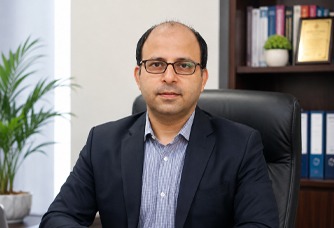
“This facility is a strategic investment that strengthens our own manufacturing capabilities while providing the wider Indian industry with access to world-class nickel-based superalloys. We are delighted to have Dr Jha lead this important initiative,” Vamsi Vikas Ganesula, Founder and Managing Director, Raghu Vamsi Aerospace Group said in a release.
This week's developments underline India's growing momentum across strategic industries. Investments in semiconductors, aerospace, transportation, pharmaceuticals, energy, and critical minerals continue strengthening domestic manufacturing capabilities. At the same time, policy decisions and infrastructure projects are creating new opportunities for industrial growth. Together, these developments reinforce India's ambition to become a global manufacturing and technology powerhouse.
.jpg "Saksham Enterprises: Optimizing Mission- Critical HVAC Infrastructure For The High Precision Sector")
.jpg "JDS Group of Companies: Innovating Smart Solutions For Modern Power Transmission & Distribution Infrastructure")


We use cookies to ensure you get the best experience on our website. Read more...