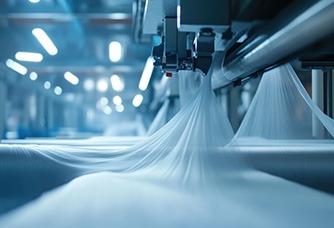
Today's textile mills are built for speed and precision. Spinning, weaving, and knitting all rely on machinery that has to run at high speed without cutting corners on accuracy. What makes this level of performance possible isn't just electricity; it's compressed air working alongside it. Across nearly every stage of fabric production, pneumatic systems have quietly become one of the most important tools in the industry.
Precision Spinning and Yarn Splicing
When raw fibres are twisted into yarns, some processes now rely on a spinning air current to bind fibres together instead of purely mechanical methods. Compressed air also plays a role when threads break during the production process. Rather than tying a physical knot, which leaves a visible weak spot, machines use a burst of high-velocity jet of compressed air to blend the two yarn ends together. The result is a nearly invisible, equally strong join.
Faster Air-Jet Weaving
Traditional looms used mechanical shuttles to pass yarn across the fabric, but these parts wear out and limit speed. Air-jet looms solve this by using a controlled compressed air blast to carry yarn instead. This allows machines to exceed 1,000 picks per minute, cuts down on mechanical wear and maintenance, and lets manufacturers adjust air pressure to work with anything from lightweight silk to heavy denim.
Supporting High-Speed Knitting
Compressed air also has a role to play in modern knitting machines. In knitting, hundreds of needles move simultaneously at high speed, and maintaining even thread tension is critical. Pneumatic tension systems offer a gentler alternative to mechanical tensioners, reducing the risk of snapped threads. For Jacquard knitting patterns, compressed air is also used to actuate the precise selection of needles.
Automation and Dust Control
Textile manufacturing naturally produces lint and fibre dust. Left unchecked, dust and lint don't just sit there quietly; they get into moving parts, wear down equipment performance, and turn into yet another maintenance problem mills have to deal with. That's where blow-off nozzles come in, using bursts of compressed air to keep lint from building up on machinery and around production areas. Pneumatic actuators pitch in too, handling much of the automated grunt work on the line: moving, positioning, folding, and shifting materials as fabric makes its way through production.
Maintaining Product Quality
Contamination is a serious concern in textile production. Oil leaks from poorly maintained equipment can ruin large quantities of fabric. That's why oil-free, air-powered tools have become the preferred choice for transporting fibers, cleaning components, and texturizing yarn, keeping the entire process free of moisture or residue that could damage the final product.
Energy Efficiency and Sustainability
Compressed air is an important utility in textile mills but producing it can also consume considerable energy. Since many textile plants operate continuously, even small improvements in compressor efficiency can make a difference to overall operating costs.
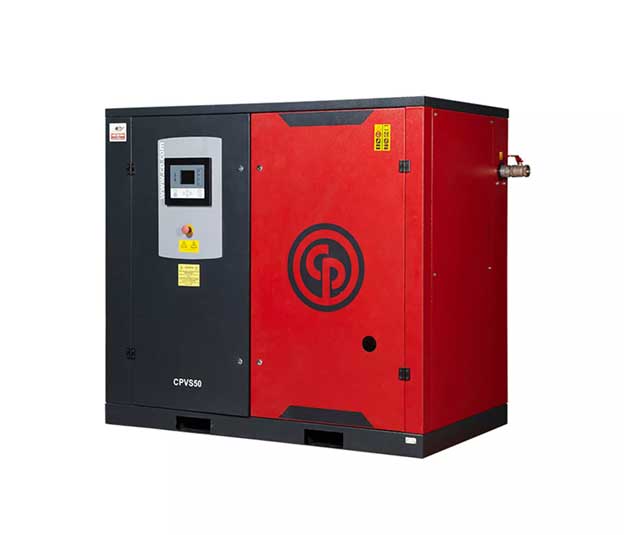
Variable Speed Drive (VSD) compressors can help by adjusting air output according to changing demand. Instead of running at full capacity all the time, the compressor can respond to the actual requirements of the production line, helping reduce unnecessary energy consumption.
Supporting Textile Wastewater Treatment
Beyond the loom and the spinning frame, compressed air also does quiet but important work at the other end of the production line: wastewater treatment. Dyeing and finishing fabric leaves behind wastewater that can't simply be discharged; it needs to be treated first. This is where compressed air comes in. By pumping air into treatment tanks, mills give the microorganisms living there the oxygen they need to break down organic waste more effectively. It's easy to overlook as just one small piece of the process, but it genuinely helps textile plants handle their wastewater the right way.
Conclusion
From the first twist of fibre at spinning to the last stitch on the loom, compressed air has quietly become part of almost everything a textile mill does. There's really no matching what it brings to the table: speed, cleanliness, reliability, all at once, in a way mechanical systems just weren't built for. That's what lets mills keep up with growing demand without letting fabric quality slip.
And for manufacturers, keeping machines running isn't just a nice-to-have anymore; it's what separates the mills that stay competitive. Get the compressed air setup right, and you're looking at fewer breakdowns, a cleaner shop floor, and an operation that can actually keep up with where textile manufacturing is headed today.







We use cookies to ensure you get the best experience on our website. Read more...