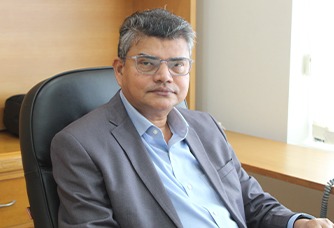
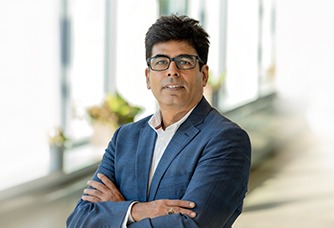
Sandeep B Narade, VP & Head - Mining Business Unit, Indian Metals & Ferro Alloys Ltd, engaged in a conversation with Thiruamuthan, Assistant Editor at Industry Outlook, discusses how Indian mining companies are gradually adopting renewable energy and electrification through phased strategies, while addressing challenges like cost, technology limitations, and infrastructure gaps in scaling sustainable operations.
Sandeep Narade is a transformational mining leader and operations expert with over 28 years of experience, specializing in mine development, production scaling, project execution, regulatory frameworks, and industry collaboration, with strong skills in leadership, stakeholder management, and operational excellence.
With sustainability driving the shift, how are Indian mining companies accelerating renewable energy integration, addressing challenges, and embracing emerging trends in their operations?
Indian mining companies are gradually integrating renewable energy and sustainable practices, though the transition is still at an evolving stage. In opencast mines, companies are currently experimenting with electric heavy earth-moving machinery, particularly trucks. However, these trials have not yet been fully successful, which is why large-scale adoption has not taken place. The high cost—often two to three times that of conventional equipment—and operational challenges remain key constraints.
At the same time, companies are making steady progress with smaller initiatives. Light motor vehicles, including passenger vehicles, are being gradually shifted to EVs, and there are plans to introduce EV buses for workforce transportation. Some mines across India have begun limited trials with a few electric machines, but adoption is still minimal.
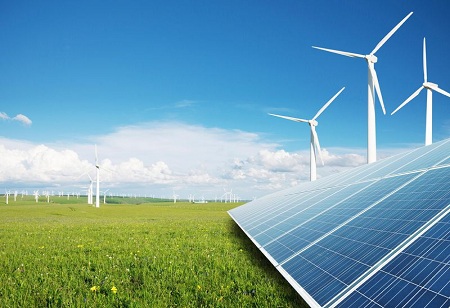
On the renewable energy front, companies are investing in solar power, including utility-scale solar plants as well as smaller rooftop installations across mines, townships, and operational buildings. Additionally, many organizations are moving towards procuring hybrid green energy, combining solar and wind, through long-term agreements.
Overall, while challenges related to cost, technology maturity, and scalability persist, mining companies are steadily progressing towards cleaner energy adoption through phased implementation and ongoing experimentation.
Also Read: The Role of Lignite in India's Energy Security
Given the increasing adoption of renewable energy, how are mining companies overcoming challenges like grid instability and intermittent power supply, especially in remote areas?
Power challenges, especially in remote mining areas, are always present. To address issues like grid instability and intermittent supply, companies rely on DG (diesel generator) sets as a backup to ensure uninterrupted operations.
However, the overall power requirement in mining operations is relatively low compared to processing plants. This is because most heavy equipment in mines still operates on diesel. Only limited infrastructure—such as small crushing and screening units or underground winders—depends on electricity.
As a result, while grid instability remains a concern, its impact is somewhat manageable due to lower dependence on continuous power, with DG sets effectively bridging the gap where needed.
Indian mining companies are gradually adopting renewable energy and electrification, but high costs and technological limitations continue to slow large-scale transition.
In light of growing sustainability regulations, how are mining companies balancing environmental goals with operational efficiency, ensuring compliance while maintaining productivity?
Mining companies are balancing environmental goals with operational efficiency by ensuring strict compliance with existing and upcoming regulations, while also identifying opportunities where sustainability aligns with cost and productivity benefits.
Compliance is treated as a priority, not just from a regulatory standpoint but also as a value-adding practice. In many cases, sustainable measures lead to operational and financial advantages.
For example, instead of using natural resources like river sand for backfilling, companies are increasingly adopting alternatives such as bottom ash and fly ash from power plants. This not only supports environmental goals and promotes a circular economy but also reduces costs, as these materials are more economical compared to sand.
Such approaches demonstrate that sustainability and efficiency are not mutually exclusive—when implemented effectively, they can enhance productivity while ensuring compliance.
Also Read: Engineering Leadership Across India's Mining & Infra Value Chain
Considering the role of public-private partnerships in the renewable energy transition, how are these collaborations helping mining companies, particularly smaller players, adopt cleaner energy solutions?
Public-private partnerships are playing an important role in helping mining companies, especially smaller players, transition to cleaner energy solutions. One key aspect is access to land, which is essential for setting up renewable energy projects. Through collaboration with government bodies and local communities, companies can secure land more effectively, particularly in areas that may not have strong economic utilization otherwise.
Maintaining good relationships with local communities also supports smoother implementation of such projects, ensuring mutual benefits. These collaborations not only enable the development of green energy infrastructure but also create additional value from underutilized land resources.
Overall, public-private partnerships help bridge gaps in resources and access, making it easier for mining companies to adopt renewable energy and move towards more sustainable operations.
What role does electrification of mining equipment such as old track and drilling systems play in reducing carbon emissions and what barriers still exist in scaling this transition?
Electrification of mining equipment, such as drilling systems, plays a significant role in reducing carbon emissions. Earlier, mining operations—both underground and opencast—relied heavily on diesel-powered movable machines. Over time, there has been a transition to a combination of diesel and electric systems.
Currently, many drilling machines are operated using electricity, which helps reduce carbon emissions within mining operations. Diesel is now primarily used for hauling or shifting equipment from one location to another, while the core operations are increasingly electrified. This shift has contributed to lower overall emissions in mines.
However, there are still barriers to scaling this transition. These include the continued dependence on diesel for mobility, the cost of transitioning to fully electric systems, and infrastructure limitations. While progress has been made, achieving complete electrification will require further technological advancement and investment.
Also Read: Assessing Zinc's Role in India's Infrastructure Development Initiatives
How can mining companies redesign their mining operations and planning to integrate energy solutions from early stages rather than retrofitting existing operations?
From a mining perspective, if the focus is on carbon neutrality and reducing environmental impact, planning decisions at the early stage play a crucial role. One key approach is choosing the right mining method itself.
For instance, opting for underground mining, especially when the ore body is at greater depth, can be a more sustainable solution compared to opencast mining. Underground operations involve significantly less excavation, leading to lower land degradation and reduced environmental disturbance. In contrast, opencast mining affects a much larger surface area, requiring extensive land restoration later.
By incorporating such decisions during the planning phase—rather than retrofitting later—companies can better align their operations with energy efficiency and sustainability goals from the outset.
.jpg "Saksham Enterprises: Optimizing Mission- Critical HVAC Infrastructure For The High Precision Sector")
.jpg "JDS Group of Companies: Innovating Smart Solutions For Modern Power Transmission & Distribution Infrastructure")


We use cookies to ensure you get the best experience on our website. Read more...