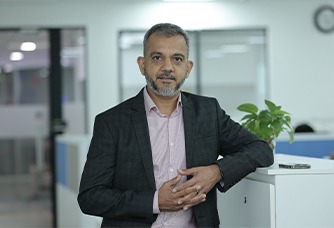
In an exclusive interaction with Thiruamuthan, Assistant Editor at Industry Outlook, Parag Satpute, MD & Group CEO, Greaves Cotton Limited, discusses how hybrid energy systems in India are becoming essential for industrial power, integrating renewables, storage, and gensets to balance reliability, sustainability, and cost. He highlights challenges like high upfront investments, evolving regulations, and infrastructure readiness for alternative fuels and storage technologies.
Parag Satpute, a global business transformation leader with over two decades of experience, specializes in strategy, innovation, and sustainable growth, with strong expertise in P&L management, change leadership, operational excellence, and driving global business expansion.
How are hybrid energy systems evolving to meet India’s industrial power demand?
Hybrid energy systems in India are evolving from optional solutions to essential infrastructure for industrial operations. With India’s electricity demand expected to grow at 6–7 percent annually and industrial consumption accounting for a significant share, the need for reliable and flexible power solutions is increasing. Industrial users are increasingly combining gensets with renewable energy and battery storage to manage load variability and ensure uninterrupted operations.
In sectors such as infrastructure, manufacturing, and data centers, where downtime has a high cost, hybrid systems provide both reliability and efficiency. This is driving a shift towards distributed, integrated energy solutions that can respond dynamically to demand. With growing focus towards clean energy (Over 50% of its installed capacity coming from non-fossil fuel sources by mid-2025), there is a rapid growth in storage systems.
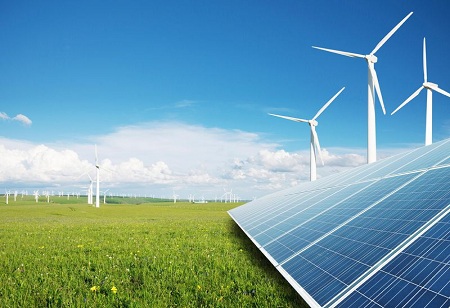
As India moves rapidly towards its net-zero goal, we would see exponential growth in Hybrid Energy Systems integrating Grid, Solar, Wind and ICE, thereby balancing the increased power demand with increased dependence on Non-Fossil fuel lead power generation.
Hybrid solutions are transforming industrial energy economics by reducing fuel consumption, improving efficiency, and shifting focus from upfront costs to long-term value and sustainability.
What role do gensets play as hybrid energy systems become more integrated and dynamic?
Gensets remain a critical component of hybrid energy systems, particularly in ensuring reliability. While renewable energy capacity in India has crossed 180 GW, its intermittent nature makes dependable backup essential for industrial users. In hybrid configurations, gensets act as the stabilizing backbone, providing immediate response during peak loads or renewable intermittency.
With advancements in control systems and integration with storage, gensets today are being optimized to run more efficiently, reducing fuel consumption and operating hours while maintaining performance. This makes them indispensable in delivering consistent power in hybrid setups. Gensets would continue to serve as the last reliable redundancy for emergency power requirements as they are not dependent on external conditions (Sun, Wind, Grid, etc.) and can continue to provide critical backup power in case everything else fails, while also being easily deployable. Thus, serving as the most critical backbone for the emergency.
Also Read: Boosting Energy Efficiency with Low-Friction & Circular Models
How are industries balancing reliability, sustainability, and cost in their power choices?
Industries in India are increasingly evaluating power solutions through a lifecycle cost lens. While reliability remains non-negotiable, there is a growing push towards reducing emissions and optimizing operating costs, especially as energy expenses can account for a significant portion of operational expenditure in manufacturing.
Hybrid systems are enabling this balance by combining reliable power sources with cleaner technologies. For instance, integrating storage and optimized genset usage can reduce fuel consumption and improve efficiency. At the same time, regulatory focus on emissions and sustainability is encouraging industries to adopt solutions that align both operational and environmental goals.
What structural, regulatory, and economic barriers are slowing hybrid energy adoption in India’s industrial sector?
Despite growing interest, hybrid energy adoption in India faces a few structural challenges. One of the key barriers is the high upfront cost of battery storage systems, which can impact adoption, particularly among mid-sized industries. Additionally, regulatory frameworks around distributed energy and hybrid systems are still evolving, and there is limited standardization in implementation models. Awareness around lifecycle cost benefits is also still developing. However, with declining battery costs globally and increasing policy support for clean and distributed energy, these barriers are expected to reduce over time.
Also Read: Hydrogen's Role in India's Decarbonization and Energy Transition
How are hybrid energy systems reshaping total cost of ownership and long-term energy economics for industrial users?
Hybrid energy systems are shifting the focus from upfront capital expenditure to total cost of ownership. Industrial users are increasingly factoring in fuel efficiency, maintenance cycles, downtime, and asset life when evaluating energy solutions.
By optimizing the use of gensets alongside storage and renewables, hybrid systems can significantly reduce fuel consumption and operating hours. This not only lowers operating costs but also improves asset longevity and reliability. Over time, this leads to better cost predictability and more efficient energy economics, especially for industries with continuous or high-load operations. Integrating Solar and Wind with Storage (BESS) helps reduce significant costs, helps better grid utilization, savings – peak shaving, while aligning better with ESG goals for corporates.
How will alternative fuels and advanced energy storage redefine the future of industrial power systems in India?
Alternative fuels and advanced energy storage are expected to play a significant role in shaping the future of industrial power systems in India. The government’s focus on ethanol blending (targeting 20%), along with growing interest in CNG and emerging fuels, is expanding the range of viable energy options.
At the same time, advancements in battery storage are enabling better load management, peak shaving, and integration with renewable energy sources. However, adoption will depend on factors such as infrastructure readiness, fuel availability, and cost viability.
A balanced, fuel-agnostic approach leveraging both conventional and emerging technologies will define the transition. While gensets would remain relevant as they will continue to serve as the last redundancy for critical backup, we can expect significant changes in the ICE technologies that power gensets. Natural Gas, Ethanol, Methanol, H-CNG, and HFC are a few technologies that are readily available and can be easily deployed. However, these would follow the path of feedstock availability.
.jpg "Saksham Enterprises: Optimizing Mission- Critical HVAC Infrastructure For The High Precision Sector")

.jpg "JDS Group of Companies: Innovating Smart Solutions For Modern Power Transmission & Distribution Infrastructure")




We use cookies to ensure you get the best experience on our website. Read more...