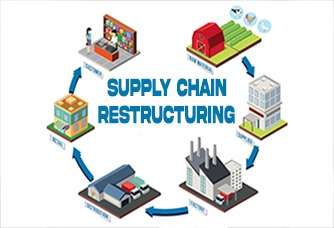
By 2026, deep-tier visibility—mapping beyond Tier 1 to Tier 2 and Tier 3 suppliers—is no longer a competitive advantage but a necessity, as over 50 percent of disruptions originate from these hidden, lower-tier dependencies.
Restructuring for 2026 resilience requires moving from annual supplier audits to continuous, AI-powered monitoring of the entire supplier network to uncover single-point failures in raw materials and sub-components.
Lower-tier mapping identifies "hidden" bottlenecks where multiple Tier 1 suppliers rely on the same Tier 2 or Tier 3 source, creating a high-impact, single-point dependency.
Direct Engagement & Digital Tools: Utilize mapping software and demand that Tier 1 suppliers disclose their key sources (Tier 2/3).
Ingredient Tracking: Request Bills of Materials (BOMs) to identify specific, critical inputs—like rare earth metals or specialized semiconductors—sourced from a single location or supplier.
Automated Monitoring: By 2026, over 50 percent of large enterprises are said to utilize real-time visibility platforms to receive alerts on shipping delays or geopolitical risks affecting Tier 2 suppliers, rather than relying on historical, manual reports.
Geographic Concentration: Multiple sub-suppliers located in the same country or region exposed to identical climate, political, or trade risks.
Single-Source Components: A single supplier providing a critical, hard-to-replace component.
Supplier Financial Health: Low-tier suppliers lacking the financial strength to survive market volatility.

.jpg "Fostering High-precision, High-performance with Optimal Metal Finishing Excellence")




We use cookies to ensure you get the best experience on our website. Read more...