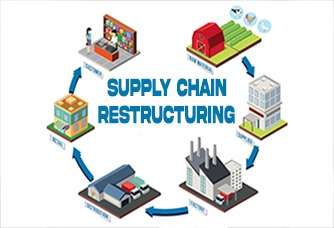
Multi-sourcing is not just about having a backup; it is a mathematical approach to optimizing risk against total cost. If a primary supplier has a probability of disruption, by adding a secondary, independent supplier, the chance of a total supply shutdown decreases exponentially.
The most crucial metric in 2026 is mapping the Time to Recover (TTR) of a sub-supplier, compared to the Time to Survive (TTS) of the organization. If TTR > TTS, multi-sourcing is required.
Nearshoring and Friend-shoring: Moving manufacturing closer to the end consumer (e.g., US companies moving production from Asia to Mexico) to slash lead times from weeks to days.
Decentralized Manufacturing: Utilizing micro-factories and 3D printing to produce goods locally, reducing the need for massive, centralized hubs that require transcontinental shipping.
Digital Twin Logistics: Using AI to simulate regional disruptions, allowing companies to pivot between local suppliers instantly when a specific region faces a climate or political event.
In this new model, the "Global" entity acts as the connective tissue—managing data, brand, and IP—while the physical execution is handled by autonomous regional nodes.


.jpg "Fostering High-precision, High-performance with Optimal Metal Finishing Excellence")




We use cookies to ensure you get the best experience on our website. Read more...