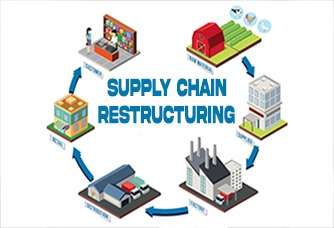
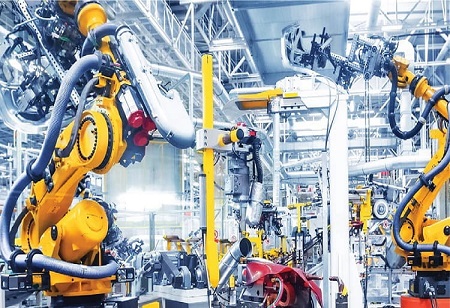
Major industries like automotive and electronics are leading the transition toward multi-regional networks. This showcases the move away from centralized global models to protect against rising geopolitical tensions and climate-driven logistics failures. Electronics companies, traditionally dependent on East Asian manufacturing, are now creating parallel supply chains to de-risk their operations.
Today, India has become a key part of Apple’s global supply chain. It also fits into Apple’s China Plus One strategy, where the company is reducing its dependence on China and expanding production in countries like India.
When it comes to local responsiveness, Apple uses a "centralized planning, decentralized execution" model. While strategic decisions are made at HQ, regional teams execute supply decisions locally to respond faster to regional market changes.
Furthermore, to speak of another instance, a major electronics firm used digital optimization models to assess sites based on geopolitical trade risk and carbon footprint. By relocating production closer to customers, they reduced their average freight haul length by 50 percent and cut carbon emissions by 15 percent.
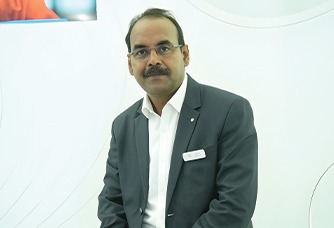
According to Tarun Pathak, Research Director at Counterpoint Research, India is now one of Apple’s most important markets unlocking India’s potential and building Apple’s presence across manufacturing, retail expansion, and the ecosystem, backed with robust supply chain capabilities.
Abhilash Kumar, Lead Research Advisor (Director) at Smart Analytics Global (SAG), also highlighted how India has become a key part of Apple’s global supply chain, not just for demand but also for production. Local manufacturing has scaled from a single model to mainstream and even Pro models, and timelines are now closely aligned with China.
He added that Tim Cook effectively balanced global supply chain priorities by continuing investments in India while also advancing manufacturing initiatives in the United States, ensuring alignment with government expectations and minimising geopolitical risk. Overall, Apple’s India strategy has evolved into a cornerstone of its global supply chain operations, supporting both growth and supply chain resilience.
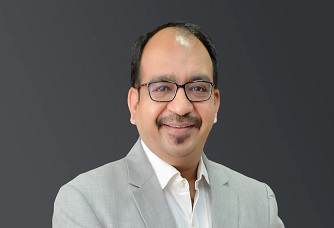
While Faisal Kawoosa, Founder, TechArc has signified how even during difficult times like tariff issues and global supply problems, Apple continued to invest in India. This shows how important the country has become for the company in evolving its supply chain at the global front.
This allows companies to choose the best configuration (e.g., 70 percent primary, 30 percent backup) to maximize reliability without overspending. Contingency "Shadow" Suppliers is another model where rather than just maintaining two active suppliers, which can increase complexity, one’s strategies must involve maintaining a pre-qualified "shadow" supplier in a different region that can ramp up within hours, not weeks.
READ MORE: Reducing Mining's Carbon Footprint with Renewable Energy Solutions
.jpg "Fostering High-precision, High-performance with Optimal Metal Finishing Excellence")
We use cookies to ensure you get the best experience on our website. Read more...