India’s coal gasification scheme is being projected as a major step toward energy security. But behind the Rs 37,500 crore announcement lies a deeper economic question. Is India preparing for a tougher global economy?
The coal gasification scheme comes at a time when governments across the world are becoming more defensive. Trade routes are unstable. Fuel prices remain unpredictable. Global conflicts are disrupting supply chains. Countries are now focusing on survival as much as growth.
India’s latest move fits that pattern.
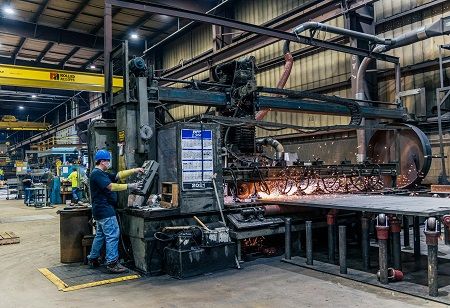
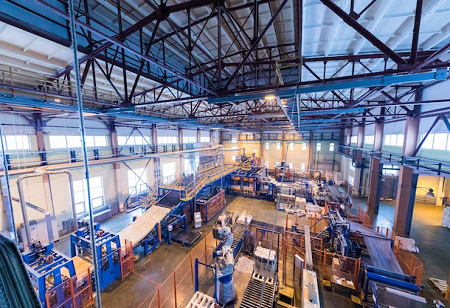
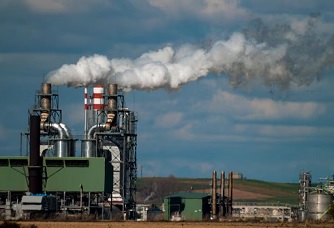
The Union Cabinet recently approved a massive investment plan to expand coal gasification capacity. The government says the goal is to reduce dependence on imported natural gas, methanol, ammonia, and other chemicals.
On paper, the move looks like a simple industrial policy decision. But many experts believe it reflects something larger. The country may be trying to shield itself from future economic shocks.
Also Read: Role of Industrial Gases in the Semiconductor & Electronics Ecosystem
India still imports large amounts of energy products. Any rise in global crude oil or gas prices puts pressure on the economy. It weakens the rupee. It also increases the trade deficit.
That concern is becoming harder to ignore.
The coal gasification scheme is not the only sign. Over the past few years, the government has repeatedly pushed for self-reliance.
Prime Minister Narendra Modi has promoted “Vocal for Local” campaigns. Citizens have also been urged several times to reduce fuel consumption. The message has become more visible during periods of global tension.
India is also focusing heavily on domestic manufacturing. Production-linked incentive schemes were introduced across several sectors. The aim was clear. Reduce dependence on imports and strengthen local industries.
At the same time, the Reserve Bank of India has steadily increased its gold reserves. Central banks around the world have done the same. Gold is often viewed as protection during uncertain economic periods. This combination is raising fresh questions.
Why is India suddenly becoming more aggressive about energy security, domestic production, and reserve protection?
The answer may lie in growing fears around the global economy.
Exports have slowed in several sectors over the past year. Demand in key international markets has remained uneven. Shipping disruptions and geopolitical tensions have also increased costs for businesses.
India may not be in a financial crisis today. Its banking system remains relatively stable. Foreign exchange reserves are still strong compared to many developing nations.
However, governments do not wait for a crisis before preparing for one.
The coal gasification scheme may be part of a broader strategy to protect the economy from future disruptions.
The government wants to produce more fuel and industrial chemicals locally. That reduces exposure to global price shocks. It also lowers the risk created by unstable international supply chains.
Officials believe the move could attract investments worth up to Rs 3 lakh crore in the long run. It may also create thousands of jobs.
Still, critics say the timing reveals economic anxiety.
India’s energy strategy is beginning to look more defensive than before.
Coal remains one of the country’s biggest resources. Despite global pressure to move toward green energy, India continues to rely heavily on coal to support industrial growth.
The new gasification policy shows the government is willing to prioritize economic stability over global climate criticism. That decision carries a message.
India appears to believe that securing domestic resources is becoming more important in an unstable world. The push to conserve fuel also reflects this thinking. Governments usually promote fuel savings during periods of economic stress or uncertainty. It helps reduce import bills and protect foreign exchange reserves.
The same logic applies to gold purchases.
Gold acts as a hedge during periods of geopolitical instability. It protects central banks from currency risks and global market volatility. India increasing its gold reserves while also pushing energy self-reliance creates an interesting pattern. Coal for energy security. Gold for financial security.
Together, these policies suggest India is preparing for a future where global trade may become less reliable and more expensive. That does not mean a financial collapse is coming. But it does suggest the government sees risks ahead.
The world economy is changing rapidly. Wars, sanctions, inflation, and supply disruptions are reshaping global trade. Countries are now focusing more on resilience than pure globalization.
India’s latest coal move may be less about coal itself and more about preparing the country for that uncertain future. The real story may not be the Rs 37,500 crore investment. The real story could be what the investment says about India’s view of the global economy.







We use cookies to ensure you get the best experience on our website. Read more...