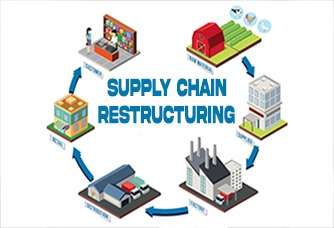
The Indian agricultural sector, which largely relies on low-cost fertilizers, is in acute crisis as the current war between the U.S. and Israel alongside Iran upsets the fertilizer supply networks around the world. Iran has threatened to shut the Strait of Hormuz, a key waterway through which a third of the world passes fertilizers. This geopolitical turmoil trickles down to fertilizer production and distribution, which has a severe repercussion on the farmers all over India.
India’s Fertilizer Shortage and Price Surge
The Middle East is a major exporter of Urea to India, and any shocks to this supply chain are already raising eyebrows. The cost of fertilizers has skyrocketed whereby Indian manufacturers have reduced their production as a result of a scarcity of natural gas, which is a key ingredient in the production of fertilizers.
“The global fertilizer supply chain disruptions are a concern. We’re working closely with the government to secure supply and stabilize prices for Indian farmers,” said Sankarasubramanian S, Managing Director & CEO, Coromandel International Limited.
The timing of this fertilizer shortage could not be bad considering that the sowing of such crops as wheat, rice, and cotton is in the offing. The smaller farmers are finding it particularly hard to pay the rising prices or at least get sufficient supplies.
Farmers are scurrying to amass piles of fertilizer in case the prices will further increase. This scramble reflects an international tendency, as farmers in other parts of the world, like in the U.S. and Europe, are also struggling.
Global Ripple Effects: Rising Prices and Supply Shortages
The conflict’s global impact on the fertilizer market is stark. Fertilizer prices are surging across the world, with U.S. prices for urea rising by $70 per short ton, a 22% increase in just a week. According to Jayant V Dhobley, Business Head & CEO - Global Chemicals, Aditya Birla Chemicals, “Raw material price volatility is a major challenge, but we’re collaborating with stakeholders to manage costs and ensure steady supply.”
The same is in Europe, where the situation is equally grim. Orders have been suspended by fertilizer companies, at least in Poland, because of skyrocketing prices of energy brought about by the war. The price of granular urea has increased by 27 percent in Egypt, which is another strain on the agricultural markets in the world. The supply chain disruptions are not the only causes of the shortage, but also due to the increased cost of natural gas, which is a significant raw material in the production of fertilizers.
Potential Long-Term Impact on Indian Agriculture
This shortage of fertilizer is not a short-term issue and its effects may extend in the long term. In the case of India, where agriculture has been the backbone of feeding more than two-thirds of the population, the shortage of fertilizer may result in an increase in food prices and also food insecurity may occur.
Indian farmers, especially the rural farmers, are the most affected by such disruptions. They can hardly access stockpile fertilizers and the rise in price will most probably compel them to reduce production. In the case of India, which relies on its own production of agricultural produce to feed itself and export to other countries, the effects of this shortage of the fertilizer may be disastrous.
Government Action: Immediate Measures Needed
The Indian government must act swiftly to mitigate the impact of the fertilizer crisis.
Hardeep Singh Puri, India’s Minister of Petroleum and Natural Gas, emphasized the government's commitment to addressing the issue, stating, "We are closely monitoring the situation and will ensure that adequate stocks are available to meet the needs of farmers, especially in these challenging times."
Efforts should focus on diversifying fertilizer imports, increasing domestic production, and offering subsidies or financial assistance to small-scale farmers. If the situation persists, India could face prolonged agricultural disruptions, resulting in soaring food prices and food insecurity, particularly in vulnerable regions.
Looking Ahead: Securing the Future of Indian Agriculture
As the situation escalates, farmers, policymakers, and the global community must work together to mitigate the impact of the conflict on food production. Nitin Gadkari, India’s Minister for Road Transport and Highways, urged, "The ongoing fertilizer crisis highlights the need for India to focus on increasing domestic production and diversifying our sources of supply. As a nation, we must work towards reducing our dependence on external factors, ensuring that our farmers are protected from price volatility and supply disruptions."
Data & Statistics:
This ongoing crisis underscores the fragile nature of global agricultural supply chains, where geopolitical instability, energy prices, and fertilizer access can directly impact food production and food prices.

.jpg "AR Enterprises: Building The Supply Networks Behind India's Construction Growth")
.jpg "Industrial Packers: Engineering Industrial Packaging for India's Manufacturing Future")




We use cookies to ensure you get the best experience on our website. Read more...