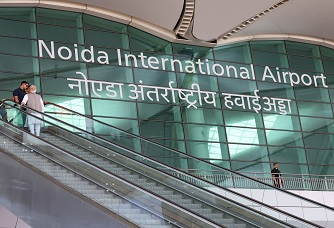
Fresh concerns are emerging around Noida International Airport, with airlines warning that poor connectivity could hurt its success even before full operations begin.
The spotlight is now firmly on connectivity, as the airport connectivity raises concern about how easily passengers can reach the new hub. Industry experts say Noida Airport connectivity issues raises concerns not just for travelers, but also for airlines planning long-term operations.
Major carriers including IndiGo and Air India have flagged accessibility as a key concern. Unlike Delhi’s main airport, which is supported by a strong network of metro lines, highways, and rail links, Noida Airport currently lacks seamless public transport connectivity. For an airport expected to serve millions, this gap could become a serious bottleneck.
At present, passengers traveling to the airport will largely depend on road transport such as taxis, buses, or private vehicles. While infrastructure projects like metro extensions and rapid rail systems are underway, they are not expected to be completed until around 2028. This means that in its initial years, the airport may struggle to offer the kind of easy access that travelers have come to expect.
Also Read: Why Waste Must Become a Core Material in Road Construction
Airlines believe this could directly impact passenger preference. Convenience plays a major role in airport choice, especially in a region like the National Capital Region where Delhi’s airport already offers well-established connectivity. If reaching Noida Airport takes longer or feels less reliable, travelers—particularly frequent flyers—may choose alternatives.
Business travelers are seen as the most sensitive to this issue. Time-saving and ease of movement are critical for corporate passengers, and any inconvenience in reaching the airport could push them away. Air India has indicated that this segment may avoid Noida Airport in its early phase, which could affect revenue potential, as premium passengers contribute significantly to airline earnings.
Alongside connectivity, airlines have also raised concerns about higher operational costs at the airport. According to industry estimates, the proposed tariff structure could add nearly Rs 1.88 lakh per flight in additional expenses. This increase is likely to be passed on to passengers, potentially raising fares by around Rs 475 per domestic ticket. Furthermore, 15 such roundtrips may also cost up to Rs 103 crore more. Even if connectivity improves over time, such pricing pressures could limit the airport’s appeal in a price-sensitive market.
The timing adds urgency to the situation. Noida Airport is expected to begin domestic operations in 2026, with international flights to follow later. Launching without strong transport links could slow down passenger traffic and delay the airport’s ability to compete with established hubs.
Despite these concerns, the airport remains a major infrastructure project aimed at easing congestion at Delhi’s Indira Gandhi International Airport and supporting future aviation demand. Authorities are working on improving connectivity, but progress on ground infrastructure will be crucial in shaping the airport’s early performance.
For now, the question remains whether connectivity challenges will be resolved in time—or whether they will continue to cast a shadow over one of India’s most anticipated aviation projects.







We use cookies to ensure you get the best experience on our website. Read more...