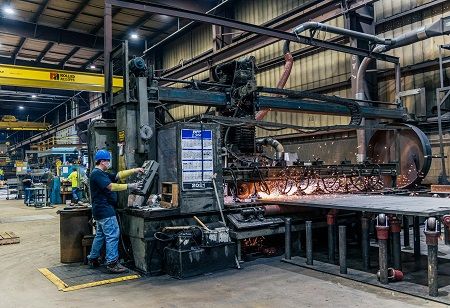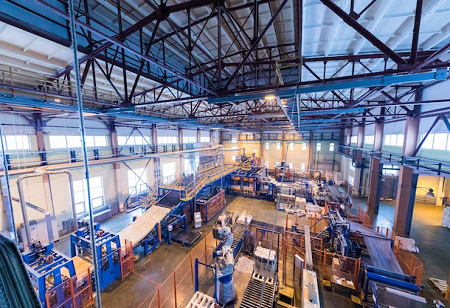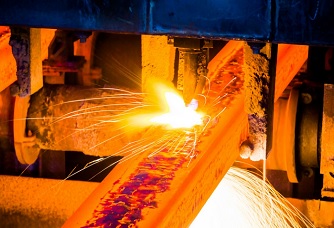
Jindal Steel expands syngas use as part of a major push to reduce fuel imports and lower carbon emissions, marking a significant shift in how the company powers its operations.
The Jindal Steel expands syngas use strategy focuses on replacing imported fuels with domestically produced synthetic gas, helping the company control costs and improve energy security.
The company has scaled up the use of syngas, produced through coal gasification, across multiple processes in its steel plants.
This includes its direct reduced iron (DRI) units, galvanizing lines, and other high-temperature operations that traditionally depend on imported natural gas or coking coal. By switching to syngas, Jindal Steel is reducing its exposure to volatile global fuel markets.
Also Read: Driving Process Improvement with Financial Planning in Coatings
This move is also aligned with India’s broader push for energy self-reliance. By using locally available coal to produce syngas, the company is cutting down on foreign exchange outflows and ensuring a more stable fuel supply for long-term operations. The initiative reflects a growing trend in the steel industry toward alternative fuels and localized energy solutions.
In addition to cost benefits, the environmental impact is a key driver. The expanded syngas use is expected to lower emissions intensity compared to conventional fossil fuels. This positions Jindal Steel better in global markets where low-carbon steel production is becoming increasingly important due to tightening environmental regulations.
With this expansion, Jindal Steel is not only strengthening its operational efficiency but also setting a precedent for cleaner and more sustainable steelmaking practices in India.




We use cookies to ensure you get the best experience on our website. Read more...