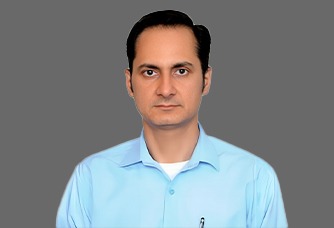
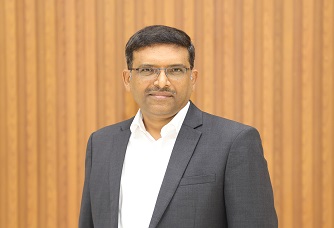
Rakesh Sharma is a detail-oriented Admin Manager at Acme Hospital Furniture, experienced in managing administrative operations and ensuring efficiency. He oversees daily processes, vendor coordination, and facility management, supporting seamless business operations. Known for his proactive approach and problem-solving skills, he contributes to productivity while maintaining high standards and a well-organized work environment.
Can you describe your experience in managing end-to-end operations in furniture manufacturing or hospital equipment production?
I have extensive experience managing end-to-end operations across furniture manufacturing and hospital furniture accessories equipment Supply, covering the full lifecycle from concept to delivery. Key areas include:
1. Procurement & Supply Chain
2. Production Planning & Execution
3. Quality Control & Compliance
4. Design & Customization
5. Logistics & Dispatch
6. Costing & Profit Optimization
7. Team & Operations Management
8. Client Handling & Execution
Also Read: Why Composite Infrastructure Is Replacing Steel in Modern Projects
Please share your experience working with international vendors or manufacturing partners. How did you ensure both cost efficiency and high-quality standards?
I have worked with international vendors for sourcing components like motors, actuators, and specialized fittings, mainly from China and other Asian markets. I ensure cost efficiency through strong negotiation, bulk planning, and developing backup suppliers. For quality, I follow strict pre-dispatch inspections, sample approvals, and clear technical specifications to avoid rejection and delays. This approach helps maintain long-term relationships and repeat business.
How have you led cross-functional teams (including production, quality control, and logistics) to meet tight deadlines in a manufacturing environment?
Once an order is finalized, I create a clear execution plan with defined timelines for production, QC, and dispatch. I coordinate daily with production managers, QC teams, and logistics to track progress and resolve issues quickly. Regular review meetings and real-time problem-solving help ensure we meet tight deadlines without compromising quality.
Can you describe a situation where you improved product quality or reduced defects? What systems, tools, or processes did you implement to achieve this?
During a combined order for Apollo Hospital and airline wheelchairs, I identified multiple quality gaps due to customization requirements. I introduced stage-wise inspections, improved design detailing, and took expert consultation to refine production processes. This reduced defects significantly and ensured the final product met strict medical and operational standards.
How do you motivate and manage teams in a high-volume production environment while maintaining consistency, efficiency, and safety standards?
I follow a structured approach based on discipline, incentives, and clear systems. I set daily and weekly targets, link performance with incentives, and ensure continuous skill training. My strong presence on the production floor helps maintain accountability, improve efficiency, and ensure safety standards are consistently followed.
What strategies have you used to scale operations or expand into new markets (such as healthcare, hospitality, or export segments)?
I focus on building strong industry networks and partnerships to explore new opportunities in healthcare and institutional segments. I also study market demand and align product offerings accordingly, including customized and modular solutions. By maintaining quality and reliability, I have been able to generate repeat clients and gradually expand into new markets.



We use cookies to ensure you get the best experience on our website. Read more...