In an interaction with Thiruamuthan, Assistant Editor at Industry Outlook, Abdul Wahid, Vice President & Central Quality Head, Gabriel India Limited, discusses how Indian automakers are advancing toward zero-defect production through AI, IoT, and Industry 4.0. He highlights the role of AI-driven inspection, real-time analytics, and predictive maintenance in improving precision, reducing downtime, and ensuring consistent quality. With over 30 years of experience, Abdul Wahid is a seasoned leader specializing in process optimization, supplier quality, and plant leadership, known for driving breakthrough results through innovation, lean tools, and strategic execution.
As Indian automotive manufacturers strive for zero-defect production, how are AI-driven quality control systems being integrated to reduce defects and ensure precision in high-volume manufacturing?
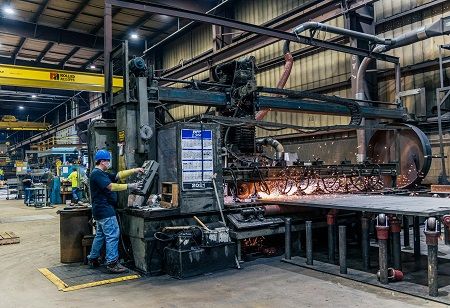
Achieving zero-defect production in high-volume automotive manufacturing requires a level of precision and consistency that goes beyond human capability. AI-driven camera systems are increasingly becoming central to this transformation, operating continuously and delivering highly accurate inspection outcomes. These systems are trained using large datasets comprising both acceptable and defective components, enabling them to identify even the most minute imperfections, such as micro-cracks, surface dents, or slight variations in finish that are often invisible to the human eye.
The effectiveness of these systems depends significantly on the quality of input data. Manufacturers are investing time in building robust datasets and conducting proof-of-concept trials with AI solution providers to ensure the technology aligns with their production requirements. As a result, AI is not only enhancing defect detection but also accelerating inspection processes, reducing manual dependency, and ensuring consistent quality across large production volumes.
Real-time data analytics and traceability are empowering automakers to move from reactive quality checks to proactive, insight-driven decision-making across the entire production lifecycle.
With Industry 4.0 technologies on the rise, how are Indian automakers using real-time data analytics to detect and address defects in engine assembly and final inspection?
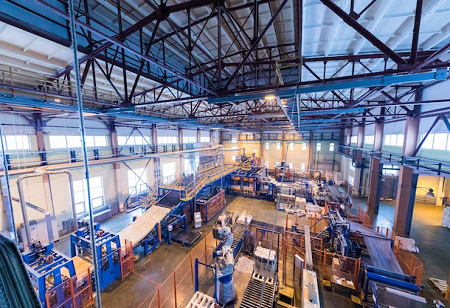
Industry 4.0 technologies have enabled a shift from reactive to proactive manufacturing by embedding intelligence into production systems. Modern automotive plants are equipped with sensors that continuously capture data related to machine performance, production output, and defect occurrences. This data is then visualized through real-time dashboards, allowing teams to monitor key performance indicators and respond quickly to emerging issues.
One of the most impactful advancements is the ability to achieve full traceability. If a defect is detected at any stage, manufacturers can trace it back to the exact point of origin within the production process. This significantly improves root cause analysis and enables faster corrective actions. In addition, automated inspection systems using cameras and sensors have replaced traditional manual inspection lines, improving both speed and reliability while reducing human error.
Also Read: How Smart Factories Driving Efficiency in Auto Manufacturing
As predictive maintenance becomes crucial, how are Indian auto manufacturers applying AI and IoT technologies to prevent failures, minimize downtime, and maintain zero-defect standards?
Predictive maintenance has become a critical enabler of both operational efficiency and product quality. Unlike traditional maintenance practices that rely on fixed schedules, AI and IoT technologies allow manufacturers to monitor equipment health in real time and predict potential failures before they occur. By analyzing historical and live data from sensors, systems can estimate the remaining useful life of machine components and generate early alerts for maintenance.
This proactive approach significantly reduces unplanned downtime, which can otherwise disrupt production and lead to quality issues. In automotive manufacturing, where process stability is essential, unexpected breakdowns can result in defective outputs that only become apparent after usage. By minimizing such disruptions, predictive maintenance helps improve machine capability, stabilize processes, and ultimately contribute to achieving zero-defect standards. Many organizations have already reported noticeable reductions in breakdowns and improvements in overall efficiency through these technologies.
Given skill gaps, how are Indian automakers upskilling their workforce to effectively integrate automation and sustain zero-defect manufacturing in complex production environments?
The transition to advanced manufacturing technologies has brought the challenge of skill gaps into sharper focus. Indian automakers are addressing this issue through a combination of strategic hiring, structured training programs, and continuous skill development initiatives. There is a growing emphasis on recruiting talent with strong analytical and digital capabilities, particularly from leading academic institutions, to support the adoption of Industry 4.0 technologies.
At the same time, companies are investing in training their existing workforce through a blend of classroom sessions and hands-on learning. AI-based training modules are also being introduced to enable faster and more scalable skill development. Employees are typically trained in both theoretical concepts and software applications before being deployed on production lines, ensuring they are well-prepared to handle automated systems. Continuous monitoring of skill levels and aligning workforce capabilities with specific process requirements are essential practices that help bridge the skill gap effectively.
How are Indian automakers ensuring supplier components meet stringent quality standards to prevent defects during assembly and uphold zero-defect production targets across the supply chain?
Ensuring consistent quality across the supply chain requires close collaboration between automakers, Tier 1 suppliers, and Tier 2 vendors. Leading manufacturers are actively supporting their suppliers through structured development programs, training initiatives, and standardized quality frameworks. These efforts are aimed at aligning supplier capabilities with the stringent requirements of automotive production.
A key aspect of this approach is maintaining a smooth and reliable flow of materials. When supply chains operate under pressure or with minimal inventory, the risk of defects increases significantly. To mitigate this, companies focus on establishing stable inventory norms and ensuring that suppliers adhere to defined quality processes. Continuous engagement, including on-site support and skill development, plays a crucial role in improving supplier performance. By fostering a collaborative ecosystem and ensuring transparency in processes and data, automakers are able to minimize defects and maintain high-quality standards throughout the value chain.
Also Read: Balancing Efficiency and Innovation in R&D Operations in Automotive Sector
Looking ahead, how will robotics and AI-driven quality assurance systems transform India’s automotive manufacturing, reducing defects and improving operational efficiency in the next decade?
The integration of robotics and AI is set to redefine the future of automotive manufacturing in India. Many production lines have already transitioned from labor-intensive operations to highly automated systems, where robots handle repetitive and precision-driven tasks with minimal human intervention. This shift not only improves efficiency but also addresses ongoing challenges related to workforce availability and skill gaps.
Looking ahead, the role of AI will expand beyond inspection and monitoring to enabling autonomous decision-making within manufacturing systems. Robots equipped with AI capabilities will be able to detect process variations and make real-time adjustments without human input. This evolution will lead to more adaptive and resilient production systems, capable of maintaining high quality standards even in complex and dynamic environments.
Over the next decade, these advancements are expected to significantly reduce defects, minimize downtime, and enhance overall operational efficiency. As Indian manufacturers continue to adopt these technologies, they are well-positioned to strengthen their global competitiveness and set new benchmarks in quality and innovation.
.jpg "Textile Special")




We use cookies to ensure you get the best experience on our website. Read more...