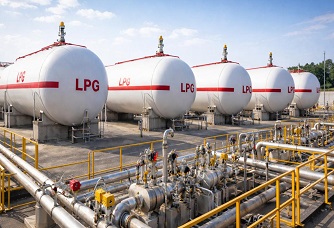
India is reshaping LPG imports strategy to strengthen energy security after supply disruptions exposed heavy reliance on the Middle East.
The country sourced nearly 90 per cent of its LPG imports from Gulf nations, leaving it vulnerable to geopolitical risks and shipping bottlenecks.
In 2026, tensions around the Strait of Hormuz disrupted cargo movement and triggered domestic shortages. This forced policymakers to rethink their sourcing strategies.
India now plans to secure up to 25 per cent of its LPG imports from the United States by 2027. This in turn marks a shift toward supply diversification, risk mitigation, and long-term stability in fuel availability.
India faced a major wake-up call in 2026 when geopolitical tensions disrupted shipping routes through the Strait of Hormuz. This route handles a significant share of global energy trade, and any disruption directly impacts countries dependent on Gulf supplies.
India experienced delays, supply shortages, and price volatility as LPG cargoes faced logistical constraints. These disruptions pushed policymakers to reassess the risks tied to concentrated LPG imports.
India recognized that overdependence on a single region could destabilize domestic supply chains. The government responded by accelerating efforts to diversify LPG imports, ensuring that future shocks do not cripple availability.
Also Read: Energy-Efficient Refrigeration for Sustainable Cold Chains
India has started positioning the United States as a major supplier in its LPG imports basket. The plan to source up to 25 per cent of LPG imports from the US by 2027 reflects a structural shift rather than a temporary adjustment. The US offers abundant gas production and stable export capacity, making it a reliable alternative supplier.
India aims to balance trade relations with the US while securing long-term energy supplies. Through the expansion of LPG imports from the US, India strengthens bilateral energy ties and reduces exposure to regional geopolitical risks.
India’s LPG consumption continues to rise steadily, driven by household demand and clean cooking initiatives. The country’s annual LPG demand has reached around 31 million tonnes, with imports meeting nearly 66 per cent of total consumption. This growing demand leaves India with limited flexibility in managing supply disruptions.
As demand increases, India must ensure a stable and diversified LPG imports network. Policymakers understand that relying heavily on one region cannot support long-term consumption growth. Diversification across suppliers such as the US helps India maintain supply continuity while meeting rising domestic needs.
India’s shift toward US LPG imports involves a trade-off between cost and security. US shipments travel longer distances compared to Middle Eastern supplies, which increases freight costs. However, India prioritizes supply reliability over marginal cost advantages after experiencing disruption-driven shortages.
This strategy reflects a broader energy security approach where stability takes precedence. India aims to build a resilient LPG imports system that can withstand geopolitical shocks, logistical disruptions, and demand surges without affecting consumers.
India’s decision to diversify LPG imports marks a critical turning point in its energy policy. The country no longer treats LPG sourcing as a purely cost-driven decision. Instead, it focuses on resilience, diversification, and long-term security. Reducing dependence on the Middle East and increasing imports from the US strengthens India's ability to manage future disruptions.

.jpg "AR Enterprises: Building The Supply Networks Behind India's Construction Growth")
.jpg "Industrial Packers: Engineering Industrial Packaging for India's Manufacturing Future")




We use cookies to ensure you get the best experience on our website. Read more...