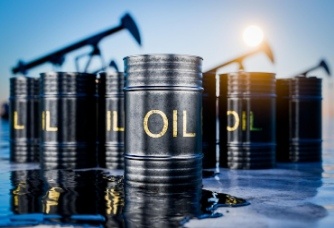
Oman has emerged as India’s largest supplier of liquefied natural gas (LNG) in March, overtaking long-time leader Qatar, as geopolitical tensions and the ongoing Iran conflict disrupted gas production and shipping routes across the Gulf.
India, the world’s fourth-largest LNG importer, sourced 489,000 tonnes of LNG from Oman during the month, accounting for nearly 30% of its total imports of 1.63 million tonnes, according to ICRA data.
In contrast, Qatar’s supplies dropped sharply to 128,000 tonnes, reducing its share to just 8% from a dominant 41% recorded between April 2025 and February 2026.
The sharp shift in sourcing follows missile attacks on Qatar’s energy infrastructure and disruptions to shipping routes through the Strait of Hormuz, a critical artery for global energy trade. The situation forced QatarEnergy to declare force majeure on exports after halting operations at parts of its Ras Laffan LNG complex.
Qatar, which typically accounts for over 40% of India’s LNG imports, saw its supply chain severely impacted, prompting Indian buyers to urgently secure alternative cargoes.
Industry experts indicate that operations at Qatar’s facilities may take a few more weeks to normalise, leaving a temporary supply gap in the global LNG market.
Faced with supply uncertainty, Indian gas importers rapidly diversified their sourcing mix. Apart from Oman, the United States and Nigeria played a significant role, supplying around 17% each of India’s LNG requirements in March, with shipments of 279,000 tonnes and 270,000 tonnes, respectively.
The UAE contributed 192,000 tonnes, accounting for 12% of imports, while emerging suppliers such as Congo, Mauritania, and Senegal also entered India’s procurement basket.
Industry executives highlighted that this diversification is helping stabilize supply in the short term, reducing over dependence on a single geography.
Also Read: India-Oman CEPA Opens Trade Route Beyond Hormuz Risks
Oman’s rise as a key supplier is not incidental. Its LNG export infrastructure is located outside the Strait of Hormuz, insulating it from the geopolitical disruptions affecting Gulf shipping routes.
This geographic advantage has enabled Oman to capture a larger share of India’s LNG demand at a time when traditional supply chains remain under stress.
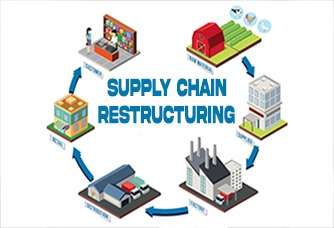
The disruption has underscored the vulnerability of India’s energy supply chain to geopolitical risks, particularly in the Gulf region. It also reinforces the importance of supplier diversification, strategic reserves, and flexible procurement strategies.
While Qatar is expected to regain its position once operations stabilise, the current shift may have lasting implications. Indian buyers are likely to continue engaging with a broader pool of suppliers to mitigate future risks.
Oman’s emergence as India’s top LNG supplier reflects a rapid realignment in global gas flows triggered by geopolitical instability. The episode highlights India’s growing agility in energy sourcing while reinforcing the need for a more diversified and resilient import strategy.
.jpg "AR Enterprises: Building The Supply Networks Behind India's Construction Growth")
.jpg "Industrial Packers: Engineering Industrial Packaging for India's Manufacturing Future")





We use cookies to ensure you get the best experience on our website. Read more...