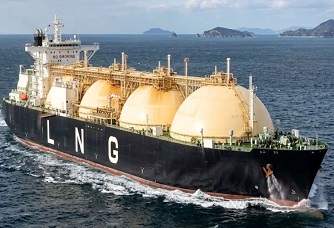
The latest LNG shipment from Abu Dhabi National Oil Company (ADNOC) to India through the Strait of Hormuz has offered a fresh sign of stability in regional energy trade, as Gulf exporters cautiously resume fuel deliveries despite ongoing geopolitical tensions.
ADNOC recently exported another liquefied natural gas (LNG) cargo to India via the Strait of Hormuz, a move seen as a positive sign for regional energy trade as Gulf shipping slowly regains momentum after months of disruption.
The shipment comes at a time when global energy markets remain sensitive to developments in the Gulf region. The Strait of Hormuz, located between Iran and Oman, is one of the busiest shipping lanes for oil and gas exports and LNG transport.
Any interruption in vessel movement through the narrow waterway often creates concerns over fuel availability, rising costs, and disruptions to global supply chains.
Also Read: HPCL, Tata Motors Join Hands for Used Lubricant Recycling Pilot
Industry reports suggest that the LNG tanker carrying the ADNOC cargo successfully moved through the Hormuz route and is headed to India, marking another shipment to the country amid ongoing Gulf shipping disruptions. The latest export reflects the UAE energy major’s continued efforts to maintain supply commitments to key buyers despite uncertainty in maritime movement.
For India, the development carries strategic importance. As one of the world’s fastest-growing energy consumers, the country depends heavily on imported fuel to meet industrial and household demand.
Gulf nations, particularly the United Arab Emirates, remain crucial suppliers supporting India energy security. Any smooth resumption of shipments through Hormuz offers relief to policymakers and industries that closely monitor energy availability.
The recent cargo also signals a measured recovery in LNG transportation after tensions in the region disrupted shipping schedules and forced several vessels to delay or reconsider routes. While energy movement has not returned to normal levels, select tankers have resumed operations under tighter security monitoring.
Market analysts believe renewed LNG movement could help reduce immediate concerns over supply shortages, especially for countries dependent on Gulf fuel supplies. However, experts caution that shipping activity remains below pre-disruption levels, and companies are still operating carefully due to lingering geopolitical uncertainty.
ADNOC has continued to play an important role in stabilizing regional energy flows, particularly as Asian markets seek dependable fuel supplies. India, which has increasingly expanded its LNG infrastructure to meet rising demand for cleaner energy, remains a major destination for UAE LNG exports.
Despite the positive development, energy experts say the recovery of shipping through Hormuz is still at an early stage. Tanker movement remains selective, with exporters balancing commercial needs against security concerns. Industry leaders have indicated that a complete return to normal shipping levels could take time, depending on how regional conditions evolve.
For India, another successful LNG shipment through Hormuz offers reassurance at a critical time. Stable fuel imports remain essential for power generation, manufacturing, and economic growth. The latest cargo may not fully signal a return to normal trade, but it does suggest that confidence is slowly returning to one of the world’s most important energy supply routes.
As geopolitical uncertainties continue, the movement of ADNOC’s LNG shipments to India will likely remain under close watch, both for what it means to regional trade and for its impact on India LNG imports and Middle East energy trade.







We use cookies to ensure you get the best experience on our website. Read more...