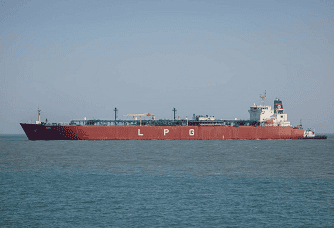
Indian LPG carriers are back in motion as two India-flagged ships successfully transit the Strait of Hormuz, offering a much-needed boost during the ongoing LPG supply crisis.
The development comes at a time when disruptions in key global energy routes have raised serious concerns over fuel availability in India.
The two vessels are sailing close to Iran’s coastline, a route that has been cleared by Iranian authorities. This carefully coordinated passage highlights ongoing diplomatic and operational efforts to ensure that critical fuel shipments continue despite rising geopolitical tensions in West Asia. The Strait of Hormuz remains one of the world’s most sensitive energy corridors, handling a large share of global oil and gas movement.
Also Read: India Diversifies LPG Imports Amid Gulf Supply Pressures
India relies heavily on imports to meet its LPG demand, with nearly 60 percent of its consumption sourced from overseas. A significant portion of these imports typically passes through the Strait of Hormuz, making any disruption in this region a direct threat to domestic supply. The recent crisis has already led to shipment delays, reduced availability, and concerns over potential shortages in the country.
Shiv Samrat Kapur, managing director at the India-based unit of Sentosa Shipbrokers said, “Iran is using the Strait as a tool of maritime diplomacy, forcing nations to choose between Western alignment and energy stability.” “The transits have proven India’s capability to maintain neutral relationships during these times of geopolitical uncertainty,” he said.
The movement of these Indian LPG carriers signals a partial easing of supply constraints. Earlier, several vessels faced delays or were forced to wait due to heightened risks in the region. This successful transit suggests that supply lines, while still fragile, are gradually stabilizing.
To manage the situation, India has been actively exploring alternative sourcing strategies. Imports from countries like the United States and Argentina have increased, helping diversify supply and reduce dependence on a single route. At the same time, authorities are working to boost domestic production and maintain buffer stocks to handle any future disruptions.
The current situation underscores the importance of energy security and the risks tied to global supply chains. While the safe passage of these ships brings some relief, the broader crisis is far from over. Continued monitoring and strategic planning will be key to ensuring stable LPG availability for millions of households across India.


.jpg "AR Enterprises: Building The Supply Networks Behind India's Construction Growth")




We use cookies to ensure you get the best experience on our website. Read more...