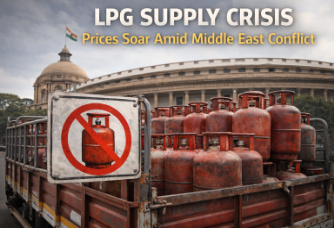
The LPG supply crisis has escalated suddenly, catching many by surprise. What seemed like a routine situation has swiftly escalated into a widespread commotion and shockwaves, impacting several industries across the country, especially hotels and restaurants.
While businesses were previously assured of a steady supply, the unexpected halt in gas deliveries has left establishments scrambling to adapt.
Siddaramaiah, Chief Minister of Karnataka, commented, "Several hotels and restaurant associations in the city have reported that they are unable to procure commercial LPG cylinders. Many establishments are expressing concern that they may have to temporarily shut operations if supplies are not restored soon."
As the crisis continues to unfold, the ripple effects are being felt across multiple sectors, resulting in uncertainty surrounding energy supplies that seems to have come out of the blue.
India is one of the largest consumers of LPG in the world, with a significant portion of its population relying on LPG for cooking. The country imports around 60% of its domestic LPG requirements, which is a major concern as global energy markets face uncertainties. A large percentage of India’s LPG imports—approximately 85-90%—come from the Middle East, primarily through the Strait of Hormuz.
The ongoing geopolitical tensions in this region have raised alarms over the stability of India’s LPG supply, compelling Union Minister Piyush Goyal to state, "India is not facing any fuel shortage despite volatility in global energy markets triggered by the West Asia conflict, and stressed that the Centre is keeping a close watch on the situation."
The Bangalore Hotels Association verified a sudden halt in the delivery of commercial LPG cylinders, forcing Bengaluru's hotels to close their kitchens as of March 10. Although the oil firms had previously promised a consistent supply for 70 days, the industry was unprepared for the sudden disruption. As a result, companies that depend on LPG for cooking, like lodging facilities, eateries, and other food enterprises, are having trouble running their businesses.
Rather than oil refineries, commercial LPG users like hotels and restaurants are the main victims of this supply stoppage. The main obstacle is the distribution channels for LPG, especially for commercial use, even though refineries are still in operation. The hotel business anticipates significant issues in the upcoming weeks since the interruption is projected to persist until the supply returns to normal.
M.K. Stalin, Chief Minister of Tamil Nadu, said, "The disruption in LPG supply has affected several sectors, and it is important that the Union Government take immediate measures to address this issue. We urge Prime Minister Modi to provide necessary alternative arrangements to ensure continued supply to essential commercial establishments, which are vital to our economy."
LPG costs have sharply increased at the same time. Commercial LPG cylinders saw a price increase of Rs 114.5, while domestic LPG cylinder rates increased by Rs 60 to Rs 913 per 14.2 kg cylinder in Delhi. The continuous violence in West Asia is the main cause of the steep price increase, which is ascribed to rising global energy costs. The Indian government has been forced to act quickly due to the disruption of supply chains caused by the rise in energy prices.
The effects on hotels and restaurants worsen as the cost of commercial LPG keeps rising. Already under strain from the LPG scarcity, Bengaluru's hospitality industry now has to contend with both growing expenses and an unpredictable supply. If this situation persists, the sector could face a significant revenue decline, with businesses potentially losing out on crucial income during this period of economic instability.
.jpeg)
In response to the crisis, the government has invoked the Essential Commodities Act to prioritize domestic LPG supply and safeguard household cooking gas availability. The Essential Commodities Act gives the government the authority to regulate the supply of essential goods, including LPG, during periods of disruption.
The government has taken several steps to tackle the LPG shortage. They’ve extended the LPG booking interval from 21 to 25 days to curb hoarding. Refineries have been told to ramp up LPG production, while oil marketing companies (OMCs) are prioritizing domestic connections over commercial ones. A three-member committee has also been set up to review LPG supply requests from restaurants, hotels, and other non-domestic sectors.
The focus remains on ensuring households get their supply first. Hardeep Singh Puri, Petroleum and Natural Gas Minister, stated, "The government is committed to ensuring uninterrupted supply of affordable energy to domestic consumers. Despite geopolitical disruptions, India's energy imports are continuing to flow from multiple sources and routes, safeguarding the nation's energy security."
This action comes with the intent to meet the ongoing demands of vital industries like healthcare and education while ensuring the continuous supply of domestic LPG, especially for homes. This law has increased strain on commercial gas supplies by requiring refineries to reroute their resources in order to boost LPG output for domestic consumption.
While this act aims to stabilize the supply chain, it has not been without controversy. The sudden disruption has triggered widespread concern within the hotel industry, as businesses that rely heavily on LPG are now forced to adjust or shut down temporarily.
Also Read: Reliance Increases LPG Output Amid Global Energy Instability
The shutdown of commercial kitchens and the increase in gas prices could have a profound impact on India's economy, especially in the hospitality sector. The disruption of services provided by hotels and restaurants will affect the livelihoods of many, from chefs and waitstaff to delivery drivers and cleaning personnel. Further, this crisis could lead to a significant dip in tourism and business-related travel, further exacerbating the challenges faced by the sector.
The government’s decision to invoke the Essential Commodities Act may ease some concerns over household LPG supply, but it remains to be seen how effectively it will address the needs of the commercial sector. Rahul Gandhi, Congress leader, pointed out that Modi’s government had earlier said in 2022 that India would work towards reducing its dependence on imports. However, he said the country is still relying heavily on supplies from other nations.
Industry leaders have expressed concern about the long-term implications of these disruptions, particularly if the crisis extends for an extended period. The rise in fuel prices, along with the uncertainty in supply, is already contributing to higher operating costs, which could eventually be passed on to consumers.
In conclusion, while the Essential Commodities Act has provided some relief in safeguarding domestic LPG supplies, the ongoing crisis highlights the vulnerability of India’s LPG infrastructure during times of geopolitical tension. Moving forward, the government will need to take a more proactive approach to Looking ahead, it's evident that the government will need to act swiftly and decisively to tackle the LPG shortage.
There's likely to be a stronger emphasis on ensuring supply chains run smoothly and preventing any further price hikes. Authorities might also consider diversifying India’s LPG sources, reducing its dependence on imports from volatile regions like the Middle East. Strengthening energy security and ramping up domestic production could become top priorities in the near future.
That said, while the Essential Commodities Act has provided some short-term relief by safeguarding domestic LPG supplies, the ongoing crisis has revealed a major anomaly in India’s LPG infrastructure — its vulnerability to geopolitical tensions. Moving forward, the government will have to adopt a more proactive and strategic approach to avoid such disruptions in the future.

.jpg "AR Enterprises: Building The Supply Networks Behind India's Construction Growth")
.jpg "Industrial Packers: Engineering Industrial Packaging for India's Manufacturing Future")



We use cookies to ensure you get the best experience on our website. Read more...