The Indian Biogas Association (IBA) has proposed a mandatory 10% organic fertiliser blend with conventional fertilisers by 2030, a move that could significantly reduce India’s dependence on costly imports and save nearly $2 billion fertiliser imports annually.
The proposal, aimed at improving soil health and promoting sustainable farming, was presented in a new white paper released during the BBB Summit 2026.
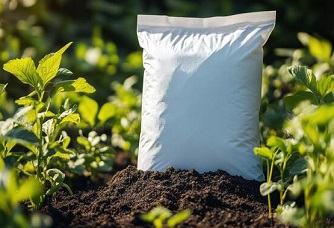
According to the association, India’s excessive use of chemical fertilisers over the years has weakened soil quality and reduced organic carbon levels in farmland. IBA believes blending fermented organic manure (FOM) with chemical fertilisers can restore soil fertility, improve water retention, and support long-term agricultural productivity without affecting crop yields.
The industry body has suggested a phased implementation plan to make the transition easier for fertiliser companies and farmers. Under the proposal, fertiliser blending would begin at 1% in 2026-27, rise to 3% in 2027-28, then 5% in 2028-29, before reaching the final target of 10% by 2029-30.
Also Read: After Operation Sindoor India Bets on Air Power
IBA also urged the government to include fermented organic manure under existing agricultural support programmes such as the Nutrient-Based Subsidy (NBS) scheme and Soil Health Card initiative. The association said recognising organic carbon as an important soil nutrient could help farmers adopt balanced fertilisation practices and reduce long-term soil degradation.
The white paper further recommended the launch of a national programme called Sustainable Biogas-Organic Fertiliser Based Cultivation Programme (SuBiCulP). The initiative aims to connect renewable energy production with agriculture by ensuring that organic manure produced from biogas and compressed biogas plants is fully utilised in farming.
Experts believe the proposal could support India’s larger sustainability and clean energy goals while reducing pressure on fertiliser imports. Rising global fertiliser prices and supply disruptions in recent years have increased concerns over India’s dependence on imported raw materials, making alternative solutions more important than ever.
However, industry observers say successful implementation will require strong government backing, proper quality standards, farmer awareness campaigns, and a reliable supply chain to ensure fermented organic manure becomes a practical and affordable option for farmers across the country.






We use cookies to ensure you get the best experience on our website. Read more...