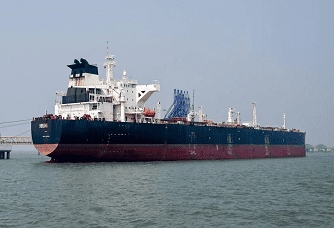
Iran has taken a step toward easing the Strait of Hormuz safe corridor situation by working on a way to help Indian‑linked vessels navigate the tense waters, though details remain complex and evolving.
Iran’s move comes amid intense regional conflict that has disrupted shipping through the Strait of Hormuz — a key global oil and energy route — and led to strong calls for protected sea lanes.
The country is reportedly establishing a safe corridor intended to offer a more secure passage for select commercial ships, including those tied to India, though whether this will work as a lasting solution is still unclear to officials and global analysts.
The Strait of Hormuz safe corridor effort is part of broader international pressure to reduce risks for mariners after attacks and threats in the region. The United Nations’ shipping arm has formally urged creation of a protected maritime route to help evacuate thousands of stranded seafarers and prevent further harm to the nearly 2,000 commercial vessels now stuck west of the strait.
Also Read: Strait of Hormuz Strands India's Oil, LNG and LPG Cargo
Indian authorities have been in active talks with Tehran and other partners to secure safe passage for crucial energy shipments. Some Indian LPG and crude carriers have already made it through with naval escorts or on a case‑by‑case basis, showing that diplomacy and coordination can yield results even in a deteriorating maritime security environment.
Experts warn the situation isn’t fully resolved. Iran’s actions and proposals are viewed alongside wider efforts by global powers urging freedom of navigation and protection for merchant traffic. As the Strait of Hormuz safe corridor concept gains traction, it remains to be seen how Iran, international shipping bodies, and Indian officials will shape a workable route that keeps trade flowing and seafarers safe.







We use cookies to ensure you get the best experience on our website. Read more...