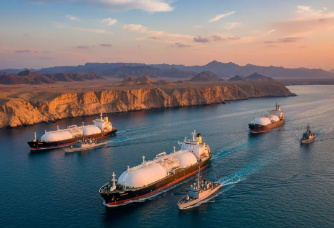
India’s oil, LNG and LPG cargo worth more than 1.7 million tonnes remains stranded near the Strait of Hormuz, pushing concerns over energy supplies and global fuel routes.
Reports state that 22 Indian‑flagged vessels loaded with crude oil, liquefied natural gas (LNG) and liquefied petroleum gas (LPG) have been unable to sail through the narrow waterway because of rising tensions in West Asia and warnings from Iranian forces about safe passage.
The blockade has left almost 1.67 million tonnes of crude, roughly 320,000 tonnes of LPG and 200,000 tonnes of LNG waiting to move on toward Indian ports, highlighting how critical the Hormuz shipping route is for India’s energy imports. Nearly half of India’s crude and most of its LPG flows through this maritime bottleneck under normal conditions.
Also Read: West Asia Crisis: Impact on Indian Exports Market
Officials say the improvised blockade comes amid ongoing Middle East conflict, where merchant traffic has sharply dropped and insurers are reluctant to cover tankers in the region. In recent days, a handful of ships (including some Indian vessels) have managed to exit the strait after special clearances and naval escorts, but the majority are still anchored as talks continue.
New Delhi has not only stepped-up diplomatic engagement but also moved warships into adjacent waters to monitor and help secure safe transit if needed. The government is prioritizing domestic fuel requirements, assuring citizens that supplies are being managed and energy security remains intact, even as negotiations persist for unblocking key cargoes.
Energy markets have responded to the supply uncertainty, keeping crude prices elevated and shipping costs high as firms weigh the risks of navigating the Hormuz corridor. India’s handling of the crisis and efforts to keep its oil, LNG and LPG flowing underscore the broader challenges facing nations reliant on this strategic chokepoint.







We use cookies to ensure you get the best experience on our website. Read more...