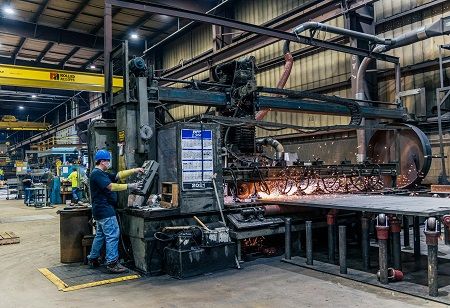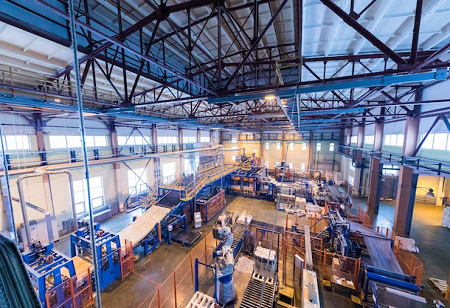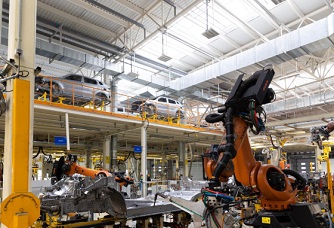
As global economic uncertainty, supply chain disruptions, and slowing industrial demand continue to pressure businesses, industry leaders are increasingly turning toward AI-led manufacturing as a key strategy for resilience and long-term growth. Experts believe artificial intelligence, automation, and quality-driven production systems could help manufacturers remain competitive despite mounting global headwinds.
Speaking at the PHD Chamber of Commerce and Industry's (PHDCCI) conference, experts emphasized that the country’s next phase of industrial expansion must focus on quality, efficiency, and technological integration rather than mere capacity building.
The call comes amid fresh challenges for Indian manufacturers, including global supply chain disruptions, weakening investor sentiment, and rising input costs. Yet business confidence indicators remain resilient, with the Manufacturing PMI at 58.1 and Services PMI at 58.5, both pointing to expansion.
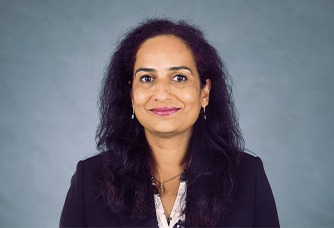
“India is entering a defining phase in its manufacturing journey,” Nidhi Khare, Secretary, Department of Consumer Affairs, said at the event, adding that globally trusted manufacturing capabilities rooted in quality, innovation and sustainability would be essential for achieving the country’s Viksit Bharat 2047 vision.
Also Read: Who runs the Indian stock market, and how is it measured?
Industrial AI is transitioning rapidly from pilot projects to shopfloor implementation. According to a joint report by YourNest Venture Capital and Praxis Global Alliance, Industrial AI could unlock nearly USD 150 billion in additional manufacturing output by 2030 without requiring proportional capital investments.
About 90 per cent of Indian manufacturing enterprises are already experimenting with AI adoption in India, though funding for specialized Industrial AI startups lags behind adoption rates. Manufacturers deploying these solutions report significant gains: 30–50 per cent reduction in unplanned downtime, 10–40 per cent decline in conversion costs, and up to 30 per cent improvement in throughput.
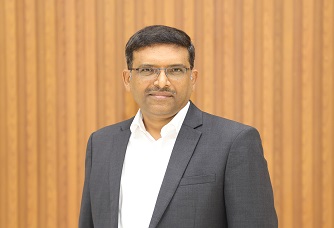
Sunil K Goyal, Managing Director and Fund Manager at YourNest Venture Capital, noted the gap between enterprise action and investor flows. “The end-customer is sending out a signal that is being picked by startups who are developing powerful products to make shopfloors more efficient and profitable,” he said, adding that quantifiable returns were making the segment increasingly attractive for investors.
Kunal Singhal, Co-Chair of PHDCCI’s Manufacturing Committee, described AI as an immediate imperative. “Artificial intelligence was no longer a future concept but a present-day necessity capable of transforming manufacturing efficiency and supply chains,” he said. Singhal stressed that India must technologically upgrade its ecosystem and shift from primarily serving domestic demand to becoming a major global supplier.
Quality standards emerged as another critical theme. Sunil Mangla, Chair of the Manufacturing Committee at PHDCCI, highlighted evolving market expectations. Global markets were seeking not merely low-cost products but “low-cost quality products”, making internationally accepted testing and certification systems critical for the Indian industry, he said.
Nidhi Khare outlined government efforts to modernize testing facilities through faster methodologies, expanded labs, artificial intelligence and robotics integration, and dedicated testing corridors.
The conference also launched the knowledge report “India Manufacturing Imperative 2026-2035,” providing a roadmap and policy recommendations to boost global competitiveness.




We use cookies to ensure you get the best experience on our website. Read more...