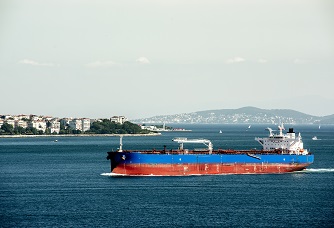
Iran has allowed two Indian tankers to pass through the Strait of Hormuz, offering a rare moment of relief as tensions rise across the Middle East. The development comes during the ongoing West Asia conflict, which has raised fears of disruptions to global oil shipments moving through the strategic waterway.
The two India-flagged vessels, Pushpak and Parimal, were permitted to move through the narrow maritime route despite heightened security risks and recent attacks on several commercial ships in the region.
The Strait of Hormuz is one of the world’s most critical oil corridors, handling a significant share of global crude shipments every day. Any disruption there can quickly affect energy markets and supply chains.
Also Read: India's Energy Procurement Diversification Amidst Trade Volatility
Officials familiar with the matter said the move followed diplomatic engagement between India and Iran. India’s External Affairs Minister S. Jaishankar reportedly held discussions with his Iranian counterpart as concerns grew over the safety of Indian vessels and crews navigating the conflict-hit waters. The talks focused on ensuring the safe movement of Indian tankers carrying crude oil and other cargo through the volatile zone.
The decision is seen as important for India, which imports a large portion of its crude oil from producers in the Gulf region. With the West Asia conflict escalating, shipping companies and governments have been closely monitoring the situation around the Strait of Hormuz, where military activity and threats against vessels have increased in recent days.
While the safe passage of the two ships has eased immediate concerns, uncertainty remains over how long the route will stay accessible for commercial shipping. Analysts warn that even temporary disruptions in the Strait of Hormuz could drive up global oil prices and create supply pressure for countries heavily dependent on imported energy.
For now, the successful transit of the two Indian tankers signals that diplomatic channels are still working to keep vital trade routes open despite the growing regional crisis.

.jpg "AR Enterprises: Building The Supply Networks Behind India's Construction Growth")
.jpg "Industrial Packers: Engineering Industrial Packaging for India's Manufacturing Future")




We use cookies to ensure you get the best experience on our website. Read more...