Super El Niño arrives as the next disruptive threat to the global markets and its proper functioning.
The World Meteorological Organization (WMO) identifies El Niño as a warming phase of the El Niño-Southern Oscillation (ENSO), associated with shifting temperatures and rainfall patterns across regions.
Although WMO does not officially classify “Super El Niño,” as an exceptionally strong episode, that could intensify weather-related pressures on energy systems.
El Niño-related droughts can weaken hydropower generation and intensify heatwaves, pushing electricity demand higher as cooling requirements rise. Meanwhile, extreme rainfall and flash floods could disrupt mining operations, restricting access to copper and nickel supplies essential for clean energy infrastructure.
In India, depleted reservoirs and rising temperatures could increase pressure on power utilities to rely more heavily on coal to meet demand during renewable generation shortfalls. Together, these risks expose a critical vulnerability in the energy transition as the climate disruptions can temporarily increase fossil fuel dependence while raising the cost and complexity of building cleaner electricity systems.
Super El Niño could complicate India’s clean energy transition by weakening hydropower, intensifying cooling demand and disrupting critical mineral supplies. As renewable generation faces weather-related constraints, power utilities may increase coal dependence to maintain electricity supply, potentially adding 17 million tons to India’s carbon emissions. This article examines how extreme climate conditions could affect energy security, renewable reliability and decarbonization efforts, while highlighting the role of battery storage, grid flexibility and climate-resilient infrastructure in limiting these risks.
Also Read: India's Energy Procurement Diversification Amidst Trade Volatility
.jpeg) Super El Niño could put clean energy systems under pressure by changing the weather conditions that renewable power depends on. The effects may extend across global electricity markets, with India facing a particularly difficult challenge as rising temperatures increase cooling demand while weather changes affect renewable generation.
Globally, El Niño can weaken wind patterns, shift rainfall and cloud cover, and alter temperatures across regions. These changes can affect wind and solar power output, although the impact varies by geography and season.
Similarly, drought conditions can reduce hydropower generation by lowering reservoir levels and river flows. In regions dependent on hydropower, this can increase reliance on fossil fuels and push electricity prices higher. This combination of weaker renewable generation and higher demand could make balancing electricity grids more difficult.
In India, the challenge is more immediate because El Niño could weaken monsoon rainfall and wind generation while intensifying heat and electricity consumption. A July 2026 analysis by the Centre for Research on Energy and Clean Air (CREA) estimates that India could face an additional 17.7 TWh of fossil fuel generation between July 2026 and June 2027.
The projection includes around 10 TWh of additional cooling demand, alongside potential losses of 2.9 TWh in hydropower and 4.9 TWh in wind generation. If coal plants fill this gap, India could generate an additional 17 million tons of carbon dioxide emissions.
This pressure highlights a critical issue for India's clean energy transition. Renewable capacity alone cannot guarantee reliable electricity when weather conditions change and demand peaks rise. Battery storage, stronger transmission networks, and flexible power systems will become essential to absorb surplus solar generation during the day and supply electricity during evening peaks.
Whereas, solar power could offer some resilience as its output is less affected by El Niño than wind and hydropower in India. The event therefore presents a test of whether India can expand clean energy while reducing its dependence on coal during extreme weather.
 Clean energy faces vulnerability that extends far beyond electricity generation itself. Extreme rainfall and flooding linked to El Niño can interrupt the mining operations that supply the critical minerals essential for renewable technologies, electric vehicles, and grid infrastructure.
For instance in Chile (the world’s largest copper producer), heavy rainfall and flooding associated with the developing Super El Niño pose direct threats to mining. Storms can flood open pits, damage roads, interrupt processing plants, and create logistical bottlenecks at ports, and transport corridors. Recent weather events have already forced temporary suspensions at major operations, echoing the 2017 El Niño episode that halted activity at sites including Anglo American’s Los Bronces and Codelco’s El Teniente.
Copper is indispensable for electricity networks, wind turbines, solar infrastructure, and EV manufacturing. Any sustained disruption tightens supply, delays production schedules for downstream manufacturers, and raises project costs precisely when the energy transition demands rising volumes of the metal.
Similarly, Indonesia’s nickel-producing regions face parallel risks from extreme rainfall and flooding. Nickel mining, transportation, and processing facilities in areas such as Sulawesi, which are exposed to heavy precipitation that can inundate sites, wash out roads, and halt operations.
Even as drought phases of El Niño have constrained water availability for smelters, the return of intense rains raises the prospect of flash floods and infrastructure damage that further interrupt ore movement and refining. As compunds like nickel, is a core input for lithium-ion batteries and energy storage systems.
Supply interruptions therefore cascade directly into battery manufacturing timelines and the broader rollout of electric mobility and grid-scale storage. These mining interruptions ripple through the wider clean energy supply chain. Constrained mineral availability creates tightness in midstream processing and component production, driving higher material costs and delaying renewable energy projects.
The result is that even as electricity generation shifts toward solar, wind, and storage, the physical supply chains that enable those technologies remain exposed to climate-driven shocks. Building resilience in critical mineral extraction and logistics is therefore as essential as expanding renewable generation capacity itself.
Also Read: Why These 7 CleanTech Founders Are the Face of Green Transition
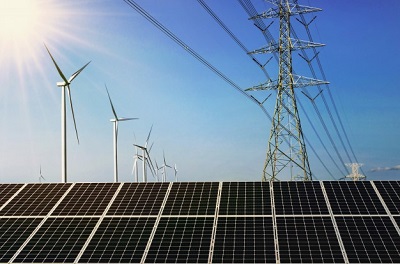 The energy transition could become more expensive when climate disruptions affect both renewable generation and the materials needed to build clean energy infrastructure. El Niño conditions already show how weather extremes can inflate near-term costs even as long-term technology prices continue to fall.
Hydropower shortages and regional shortfalls in wind or solar output can push electricity prices higher. Drained reservoirs reduce hydro generation, while heatwaves increase cooling demand and leave grids short of renewable supply.
Utilities often respond by firing up expensive backup plants, frequently powered by coal or gas. This temporary rise in fossil fuel dependence raises operating costs and undercuts the economic case for clean power in the short run. Reports on India’s energy system highlight how El Niño can hit harder than elsewhere, forcing greater coal reliance precisely when planners aim to expand renewables.
Mining interruptions add another layer of cost. Extreme rainfall and flash floods can restrict access to copper and nickel operations, while drought phases limit water for processing. These disruptions increase price volatility for the metals essential to batteries, transmission lines, wind turbines and solar infrastructure. Higher material costs feed directly into project budgets, leaving manufacturers and developers with greater uncertainty over procurement timelines and total capital outlays.
Climate exposure is therefore becoming an explicit economic consideration for clean energy investments. Investors and developers must increasingly assess weather resilience, supply diversification, and infrastructure reliability when evaluating projects. A climate risk premium emerges as markets price in the possibility that extreme weather will raise both generation and construction costs.
Parametric insurance and adaptive measures can help, yet the underlying vulnerability remains. Climate variability can raise the cost of clean energy even while underlying technology costs keep declining.
 Rising temperatures from El Niño pushes households and businesses to run air-conditioners for longer hours. This sharp jump in cooling load lifts overall electricity demand, especially during the hottest parts of the day and into the evening.
When solar generation drops after sunset, the grid must still meet the elevated peak. This combination of higher demand and lower renewable output creates a clear stress point that must be addressed.
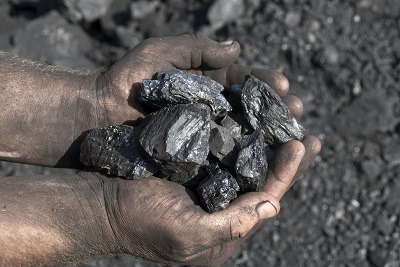
Coal plants offer the most readily available dispatchable power to fill this gap. Weaker monsoon rains reduce hydropower output, while lower wind speeds cut generation from turbines. Coal stations already supply the bulk of India’s electricity and can ramp up relatively quickly.
According to analysis by the Centre for Research on Energy and Clean Air (CREA), the country could need an extra 17.7 TWh of fossil-fuel generation between July 2026 and June 2027 to cover the shortfall. That increase would release roughly 17 million tons of additional carbon dioxide. In a more severe scenario the extra fossil generation could reach nearly 24 TWh.
India continues to add renewable capacity at a rapid pace, yet weather-driven demand spikes and dips in hydro and wind output can still force greater use of coal in the short term. This temporary rise does not cancel the long-term transition, but it does highlight a practical challenge.
Meeting emissions-reduction goals and building a reliable power system will require faster deployment of battery storage and more flexible grid infrastructure so that clean energy can handle future demand surges without automatic recourse to coal.
Also Read: How to Choose the Right State for Your Manufacturing Unit?
Battery storage can capture surplus solar power generated during the day and release it when demand peaks in the evening. This shift helps the grid meet higher air-conditioning loads after sunset without immediately calling on coal plants. Therefore, scale and duration of storage matter. As larger battery deployments allow the system to store more daytime electricity and deliver it over several evening hours. This reduces the need for fossil generation during critical periods.
Stronger transmission networks move electricity from regions with surplus renewable output to areas facing shortfalls. Combining solar, wind, hydropower and storage creates a more balanced mix. When one resource weakens because of weather, others can compensate. Geographic spread further lowers the risk that a single weather pattern, such as reduced monsoon rainfall or weaker winds, will force a sharp rise in coal use across the entire system.
Efficient cooling technologies, demand-response programs and smarter peak-load management can lower electricity use during extreme heat. Better power forecasting and climate-informed planning help operators anticipate demand surges and renewable dips in advance.
Together these measures limit the extra fossil generation that weather extremes might otherwise require. Accelerating battery deployment, grid upgrades and demand-side tools gives India a practical way to handle El Niño-driven variability without sliding back toward higher coal dependence.
Super El Niño serves as an important stress test for the global energy transition. It shows that clean energy systems must perform reliably even when weather conditions become extreme. Rising temperatures, weaker rainfall and stronger winds can reduce hydropower and wind generation, while heatwaves drive up electricity demand for cooling. These pressures also affect mining operations and manufacturing supply chains that support renewable energy equipment.
India continues to expand solar and wind capacity at a strong pace. However, capacity growth alone is not enough. The power system also needs battery storage, stronger transmission networks and better demand management so that electricity remains available during evening peaks and periods of low renewable output. With these supporting measures in place, the country can limit the need for extra coal generation when weather shocks occur.
Coal is not an inevitable response to climate-driven power shortages. Careful planning and faster investment in flexibility can keep fossil fuel use in check. The real test of the clean energy transition is not how quickly countries can install renewable capacity during favorable conditions, but how reliably those systems can deliver electricity when the weather turns against them.
Super El Nino therefore, could expose the gap between renewable capacity expansion and energy system resilience. India's ability to limit coal dependence during extreme weather will increasingly depend on storage deployment, transmission upgrades and climate-resilient mineral supply chains. The next phase of the clean energy transition must prioritize reliability alongside capacity growth.
What is Super El Niño and how does it affect clean energy?
Super El Niño refers to an unusually strong El Niño event that can alter rainfall, temperature and wind patterns. These changes may affect hydropower, wind generation and electricity demand.
Can Super El Niño increase India's coal consumption?
Yes. Weaker hydropower and wind generation combined with higher cooling demand could increase India's reliance on coal-fired generation to maintain electricity supply.
How can El Niño disrupt critical mineral supply chains?
Heavy rainfall and flooding can interrupt copper and nickel mining, damage transport infrastructure and delay processing operations. These disruptions can increase material costs for clean energy technologies.
Can battery storage reduce India's dependence on coal?
Battery storage can shift surplus solar electricity into evening peak periods, helping reduce the need for additional fossil fuel generation during demand spikes.
How does El Niño affect renewable energy investments?
Weather-related generation variability and mining disruptions can increase operating expenses, construction costs and procurement uncertainty for renewable energy projects.
Editorial Note: This article draws on multiple publicly available reports and research to assess potential El Niño impacts on India's energy transition. The 17-million-ton emissions figure is a scenario-based estimate, not a confirmed outcome. Actual impacts may vary depending on weather conditions, energy demand and policy responses.
Fathimanoud is a Correspondent with experience covering the manufacturing and pharmaceutical sectors. She has written several articles on the pharma and manufacturing industries, with a particular focus on pharmaceutical developments and industry updates.
Published on: 05-11-2026







We use cookies to ensure you get the best experience on our website. Read more...