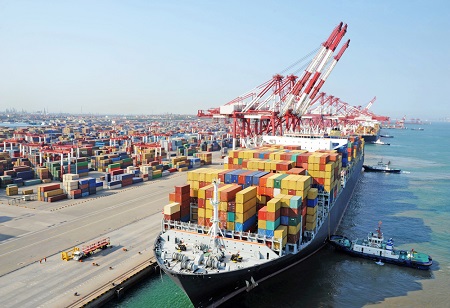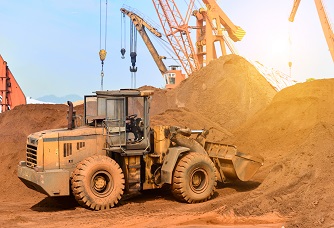
Nagpur-based Solar Industries India Limited has agreed to acquire South Africa's Omnia Holdings in an all-cash transaction valued at roughly Rs 12,951 crore (about USD 1.3–1.36 billion), through its step-down subsidiary Solar SA Investments.
The deal will bring together Solar’s explosives and initiating systems with Omnia’s mining, chemical and crop nutrition businesses. Beyond strengthening Solar’s international presence, the acquisition could create opportunities in industrial explosives, chemical manufacturing and mineral extraction, while testing the company’s ability to integrate a global production and distribution network.
It marks Solar's largest global expansion push yet, positioning the explosives and defense major as an emerging global mining-solutions and industrial-chemicals platform spanning more than 90 countries.
Omnia is a diversified industrial group serving the mining, agriculture and chemicals sectors. Its core mining arm, BME, is known for:
Solar’s existing expertise in industrial and defense explosives, initiating systems and advanced blasting technologies could complement Omnia’s vertically integrated manufacturing capabilities.
Omnia also operates crop nutrition and biological solutions businesses, giving Solar Industries access to established manufacturing plants, R&D capability and long-standing customer relationships that would otherwise take years to build organically.
Also Read: Smart Factory Strategies for Agile Electronics Manufacturing
The deal significantly expands Solar's manufacturing footprint and distribution reach, adding new market such as Canada and Brazil while strengthening its position in Australia, Indonesia and across Africa through Omnia's existing network.
For India's broader chemical, mineral-extraction and mineral-processing industries, the deal signals growing outbound confidence: Indian manufacturers are increasingly acquiring integrated, technology-rich assets and customer network abroad rather than merely exporting bulk explosives or chemical inputs.
From a manufacturing perspective, the potential benefits include:
The deal is also relevant to mineral extraction and mineral processing. Reliable access to commercial explosives is critical for mining and quarrying operations, while improved blasting solutions can support the movement of ore into downstream processing facilities.
The Omnia acquisition fits a broader pattern of Indian manufacturers going global even as domestic policy — including the Production Linked Incentive (PLI) scheme — anchors capacity at home.
PLI-linked investment has already crossed roughly Rs 2.4 lakh crore across sectors like electronics, pharmaceuticals, specialty steel and solar PV modules, generating over 14 lakh jobs. The National Manufacturing Mission, announced in the Union Budget 2025–26, focuses on technology access, workforce development, MSME growth, ease of doing business and quality manufacturing.
Samvardhana Motherson’s ₹11,000-crore Tamil Nadu investment strengthens domestic manufacturing, while Tata Electronics’ Wistron acquisition highlights Indian firms’ growing global reach and access to international capabilities.
Yet the Key risks and considerations for Indian manufacturers include:
The Omnia acquisition underscores Solar Industries ambition to build a globally scaled mining-solutions and industrial-manufacturing platform, and for India’s manufacturing industry, the Solar–Omnia deal is significant not merely because of its size, but because it demonstrates an Indian industrial company seeking to combine global mining technologies, chemical manufacturing and distribution capabilities.
Companies are building domestic capacity while seeking global scale, technologies and markets. The success of this two-way expansion will depend on whether these investments translate into stronger production capabilities, employment, innovation and sustainable industrial growth.
.jpg "Saksham Enterprises: Optimizing Mission- Critical HVAC Infrastructure For The High Precision Sector")
.jpg "JDS Group of Companies: Innovating Smart Solutions For Modern Power Transmission & Distribution Infrastructure")


We use cookies to ensure you get the best experience on our website. Read more...