India may be able to sharply reduce its LPG import bill by blending dimethyl ether (DME) with LPG, according to a recent report. A 20% DME blend could help the country save around ₹34,200 crore annually while cutting imports by nearly 6.3 million tonnes.
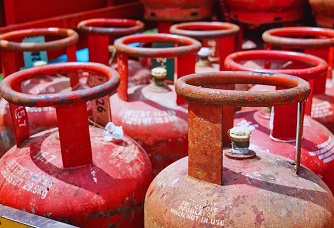
India currently depends heavily on imported LPG to meet rising demand, especially from households. With consumption continuing to grow, this reliance has added pressure on the country’s energy import bill. The proposed DME blending offers a practical way to ease that burden without major changes to existing systems.
DME is considered a clean and efficient fuel that can be produced within the country using coal, natural gas, or even biomass. One of its key advantages is compatibility—experts say up to 20% DME can be mixed with LPG without requiring changes to cylinders, stoves, or distribution infrastructure. This makes it a relatively easy solution to implement compared to other alternatives.
Also Read: Govt Approves Zen Tech to Manufacture Air Defence Cannons
Beyond cost savings, the environmental benefits are also notable. DME burns more cleanly than LPG, producing lower emissions of harmful pollutants such as particulate matter and nitrogen oxides. This aligns with India’s broader goal of adopting clean energy solutions while ensuring energy security.
The report also points out that even smaller levels of blending could make a difference. For example, an 8% DME mix could still lead to meaningful savings in foreign exchange. This suggests that the transition could be introduced gradually, allowing time to scale up production and infrastructure.
However, challenges remain. Large-scale production of DME in India is still at an early stage, and significant investments will be needed to build capacity. Industry experts believe government support, clear policies, and collaboration with private players will be essential to move forward.
If successfully implemented, DME-LPG blending could become an important step toward reducing import dependence, lowering costs for the economy, and supporting sustainable fuel adoption in India, while strengthening domestic fuel production and advancing the country’s clean fuel transition.
.jpg "AR Enterprises: Building The Supply Networks Behind India's Construction Growth")
.jpg "Industrial Packers: Engineering Industrial Packaging for India's Manufacturing Future")