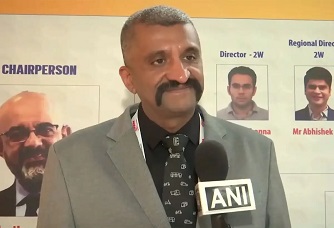
A prolonged conflict in West Asia conflict is likely to create fresh challenges for India’s automobile industry, with experts warning of pressure on vehicle exports, supply chains, and production costs. The concerns were raised by the Federation of Automobile Dealers Associations (FADA), which believes ongoing geopolitical tensions could disrupt the sector’s steady growth.
FADA President C.S. Vigneshwar said one of the immediate risks is a slowdown in vehicle exports. While domestic demand in India has remained relatively strong, global markets—especially those linked to West Asia—could weaken if the conflict continues, affecting overall sales performance.
Another key issue is the potential disruption in the supply of essential raw materials such as oil, gas, and aluminium. These are critical for manufacturing vehicles, and any increase in prices or shortage in supply could push up production costs. This, in turn, may lead to higher vehicle prices, impacting consumer demand.
Also Read: DME-LPG Blending May Slash Imports, Save Rs 34,200 Crore Yearly
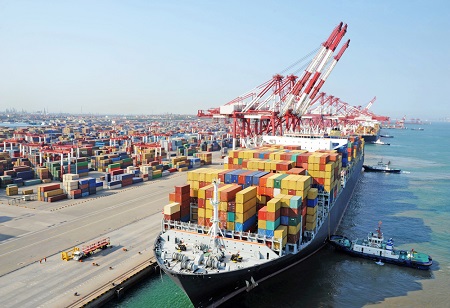
The industry is also keeping a close watch on supply chain disruptions. Ongoing tensions in the region could affect shipping routes, delay deliveries, and create logistical bottlenecks. Such disruptions may not only slow down production but also affect timely distribution of vehicles.
Despite these concerns, India’s auto market growth continues to provide some stability. The sector recorded healthy growth of around 13% in the past year, which offers a cushion against global uncertainties. However, industry experts caution that if the conflict drags on, even the domestic market could face indirect impacts through rising costs and supply issues.
The ripple effects are already being noticed across related industries, with higher fuel prices and raw material costs emerging as key concerns. Dealers and manufacturers are preparing for possible volatility in the coming months.
Vigneshwar also highlighted the importance of reducing dependence on imports. He stressed the need to develop local supply chains, especially for critical materials like lithium used in electric vehicle batteries. Strengthening the EV ecosystem and improving efficiency could help the sector become more resilient.
Overall, while the industry remains cautiously optimistic, it is bracing for a period of uncertainty if geopolitical tensions persist.
.jpg "Saksham Enterprises: Optimizing Mission- Critical HVAC Infrastructure For The High Precision Sector")

.jpg "JDS Group of Companies: Innovating Smart Solutions For Modern Power Transmission & Distribution Infrastructure")




We use cookies to ensure you get the best experience on our website. Read more...