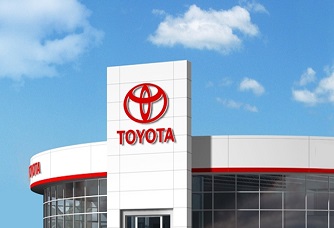
Toyota is recalibrating its India strategy as a weakening rupee, changing supply chains and rising electric vehicle (EV) demand alter the economics of manufacturing and sales, according to a recent report by The Economic Times. The company is increasing localisation, expanding exports from India and preparing for a stronger electric portfolio in the country.
The depreciation of the rupee has raised input costs for automakers that rely on imported components. In response, Toyota Kirloskar Motor is accelerating localisation of parts and systems to reduce exposure to currency volatility. At the same time, the company is using the weaker currency to its advantage by expanding exports from India. Passenger vehicle exports from Toyota’s Indian operations rose about 42% in 2025, compared with domestic sales growth of roughly 17%, highlighting the growing importance of overseas markets.
Toyota is positioning India as a manufacturing hub and export base rather than only a domestic sales market. The company is preparing to export the Urban Cruiser Ebella, produced in India, to Europe. This move aligns with a broader shift among Japanese automakers that are diversifying production away from China and strengthening operations in India and other emerging markets.
On electrification, Toyota is preparing to introduce its first battery electric vehicle in India. The company believes its long experience with hybrid vehicles has helped build technical expertise, supplier readiness and a service network that can support a gradual EV rollout. Executives say consumer acceptance of electrified vehicles is improving, supported by better charging infrastructure and growing awareness.
To address concerns around battery life, resale value and upfront costs, Toyota is exploring options such as assured buyback programmes and battery-as-a-service models. These initiatives are aimed at reducing risk for buyers and encouraging first-time EV adoption.
Also Read: CCI Clears Tata Steel's 50.01% Stake Buy in Thriveni Pellets
However, the company has noted that policy factors, including the current GST structure, continue to influence purchasing decisions and could affect the pace of EV adoption in India.






We use cookies to ensure you get the best experience on our website. Read more...