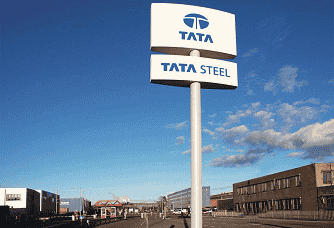
The Competition Commission of India (CCI) has approved Tata Steel’s acquisition of a 50.01 per cent equity stake in Thriveni Pellets, granting the steelmaker majority control in the Odisha-based iron ore pellets producer.
The approval clears a key regulatory requirement for the transaction announced in December 2025, under which Tata Steel agreed to acquire the stake from Thriveni Earthmovers Private Limited for around ₹636 crore. Following the CCI approval, Tata Steel can move towards completing the deal and operationalising the change in ownership.
Tata Steel is among India’s largest integrated steel producers, with operations spanning mining, steelmaking, downstream processing and finished steel sales. The acquisition is aimed at strengthening the company’s access to iron ore pellets, a critical raw material used in blast furnace operations and direct reduced iron processes. Greater control over pellet supply is expected to reduce dependence on third-party suppliers and improve raw material security.
Thriveni Pellets, along with its wholly owned subsidiary Brahmani River Pellets Limited, is engaged in the manufacturing and sale of iron ore pellets in India. The company operates pellet plants that supply material to domestic steelmakers, primarily in Odisha-based pellet plants serving the eastern region.
The CCI’s clearance indicates that the proposed stake acquisition does not raise concerns related to market concentration or adverse impact on competition. The regulator reviewed the transaction under the Competition Act, which requires prior approval for combinations exceeding specified asset or turnover thresholds.
Industry observers note that securing upstream raw material assets has become a priority for steel producers amid fluctuating input costs and supply disruptions. For Tata Steel, the acquisition is expected to support cost control, improve operational efficiency and align with its long-term capacity expansion plans in India.
Also Read: Dalmia Bharat Commissions 3.6 MTPA Clinker Unit at Assam Plant
The deal reflects ongoing steel industry consolidation, as large producers seek greater integration to manage risks and maintain competitiveness in a challenging global market.







We use cookies to ensure you get the best experience on our website. Read more...