India’s China reset could test the next phase of manufacturing as both sides reopen talks on trade concerns and supply chains.
Commerce Secretary Rajesh Agrawal confirmed that discussions have begun after a long gap, with more meetings expected. The talks focus on structural trade imbalances, supply chain reliability and ways to build greater trust.
For Indian manufacturers who depend on Chinese components or compete with Chinese imports, the outcome will shape sourcing decisions, cost structures and long-term capacity plans.
The engagement remains early, yet it already signals a cautious shift in how the two economies manage their deep commercial ties.
Commerce and Industry Minister Piyush Goyal met his Chinese counterpart Wang Wentao on 12 September. Agrawal described the meeting as an initial discussion aimed at understanding each other’s positions on trade-related matters. Both sides will need to place their concerns on the table in subsequent meetings.
Key points from the Commerce Secretary:
Bilateral relations have already improved in people-to-people movement and direct air connectivity over the past year. Officials now want the same constructive approach applied to trade.
Also Read: From Cost Reduction to Structural Cost Leadership in Manufacturing
China remains India’s second-largest trading partner. Bilateral trade rose 7.9 percent to USD 127.7 billion in 2025-26 from USD 118.39 billion the previous year. India’s exports to China climbed 36.62 percent to USD 19.47 billion, while imports from China grew 16 percent to USD 131.62 billion. The trade deficit widened to USD 99.19 billion from USD 85 billion.
In the first five months of the current fiscal year (April–August 2026), exports to China reached USD 9.61 billion, and imports stood at USD 65.49 billion. Engineering goods, electronic items, petroleum products, organic and inorganic chemicals, and iron ore drove the export growth.
Agrawal said India remains open to finding solutions that address supply chain issues and structural imbalances. The two countries also need to build greater trust in bilateral trade flows.
Investment from China forms another area of concern. India has tightened its foreign-direct-investment rules for countries that share a land border. Between April 2000 and March 2026, India received USD 2.51 billion in FDI from China.
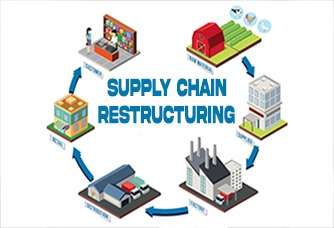
Indian manufacturers that source intermediate goods from China or face competition from Chinese finished products will watch the talks closely. A more predictable trade framework could ease supply-chain risks, while any continued imbalance may push companies to accelerate localization or diversify suppliers.
The current engagement marks only the first step. Both sides still need to translate understanding into concrete measures. For India’s manufacturing sector, the next phase of the China reset will test how effectively the country can reduce structural dependence while keeping critical inputs flowing.
.jpg "AR Enterprises: Building The Supply Networks Behind India's Construction Growth")
.jpg "Industrial Packers: Engineering Industrial Packaging for India's Manufacturing Future")





We use cookies to ensure you get the best experience on our website. Read more...