India’s G20 stand rests on a clear reality: a trade deficit of over USD 100 billion with China and rising concern about supply chain risk.
At the G20 Finance Track, India backed a US-led push that calls on countries with large and persistent external surpluses to fix domestic distortions that limit consumption and lock growth into exports.
China blocked consensus, so the group issued only a Chair’s statement. Finance Minister Nirmala Sitharaman aligned India with the focus on growth, global imbalances and financial literacy.
This analysis examines why India supported the language, what the Chair’s statement warns about, and how the USD 100 billion deficit shapes the position.
India supported the call for surplus economies to reduce over-reliance on exports and remove policies that suppress domestic demand. The country runs a trade deficit of over USD 100 billion with China, one of the economies most closely linked to the debate on large and persistent surpluses.
Finance Minister Nirmala Sitharaman stated in North Carolina that India stands with the US presidency on growth as a central priority and on the need to sort out global imbalances. She also endorsed the emphasis on financial literacy.
The Chair’s statement, backed by 19 members, makes the risks explicit. Excessive and persistent imbalances can:
This urges countries to eliminate non-market policies and practices that worsen imbalances. In particular, economies with excessive and persistent external surpluses should remove distortions that constrain domestic consumption and produce over-reliance on exports. These practices create harmful spillovers to global, regional and domestic markets and increase economic dependency.
The statement also places responsibility on deficit countries. They should pursue stronger domestic savings and fiscal consolidation. The goal is simultaneous adjustment on both sides rather than one-sided pressure. The G20 further asked the IMF to strengthen surveillance of the macroeconomic drivers of imbalances, including distortive policies and their spillovers. It called for more granular scenario analysis, including the costs of inaction, and better data on non-market policies through work with the OECD.
Also Read: How BESS Can Accelerate India’s Clean Energy Shift
China opposed and prevented a consensus communique. Beijing said it deeply regrets the failure to issue a joint statement. Its central bank governor defended the position that China does not deliberately pursue trade surpluses and pointed to efforts to expand domestic demand. The US presidency therefore released a Chair’s statement that reflects the view of the other 19 members present.
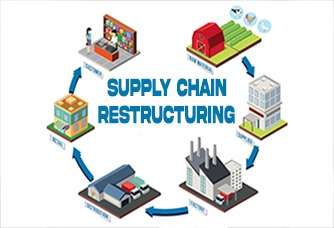
India’s support reflects both principle and national interest. A trade deficit of over USD 100 billion with China underscores the exposure that comes with concentrated supply relationships. The Chair’s statement links persistent imbalances directly to supply chain vulnerabilities and reduced resiliency.
Through backing language that presses surplus economies to rebalance and that strengthens IMF monitoring, India signals that it wants fairer, more open discussion of the forces that shape its own external position and the stability of global supply chains.
This episode shows how difficult consensus has become on trade and industrial policy. Yet the 19-member support for the substantive language keeps the issue of global imbalances firmly on the table. For India, the combination of a large bilateral deficit and the explicit recognition of supply chain risk explains why it chose to stand with the US-led push.







We use cookies to ensure you get the best experience on our website. Read more...