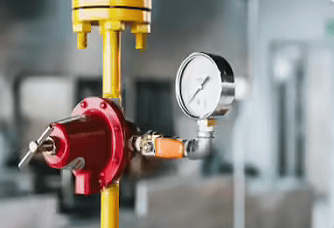
India has mandated a nationwide LPG to PNG transfer as rising fuel stress from the West Asia war hits households and businesses hard. Under the Natural Gas and Petroleum Products Distribution Order, 2026, the government stressed that consumers must switch to PNG (piped natural gas) to ease pressure on LPG supply and cut dependence on imported cylinders.
In a daily ministry briefing, Sujata Sharma, Joint Secretary, Ministry of Petroleum & Natural Gas, said domestic LPG cylinders remain a priority for homes, and the push for a switch to PNG will help protect cylinder stock for essential use. She noted that peak panic bookings of LPG on March 13 have eased but the underlying supply disruption continues.
The order focuses on rapid expansion of the PNG gas network. PNG delivers gas directly through pipelines, reducing reliance on delivered LPG cylinders. LPG remains in cylinders delivered to homes and businesses, while PNG means a direct line of supply, lower delivery costs, and steadier availability.
Also Read: India's LPG Supply Crisis May Push 10 Kg Gas Refills Soon
The ministry also advised commercial LPG users — including restaurants, hotels, and food processors — to adopt PNG to free up cylinder supply. Many states have now announced subsidies for consumers who convert from LPG to PNG, encouraging faster adoption.
To support vulnerable groups, the government requested states to allocate five‑kg FTL cylinders for migrant laborers facing shortages. States have also asked for help in serving subsidized canteens, dhabas, industrial outlets, and community kitchens.
Addressing the Rajya Sabha on Tuesday, PM Modi said the situation in the Strait of Hormuz is “worrisome”, and the war is affecting India’s fuel and trade routes, including petrol, diesel, gas and fertilizers. He highlighted the safety concerns of over one crore Indians in the Gulf and reiterated India’s call for de‑escalation and peace.
The shift from LPG to PNG aims to ensure long‑term energy stability, cut dependency on imported cylinders, and prioritize home fuel security amid global uncertainty.







We use cookies to ensure you get the best experience on our website. Read more...