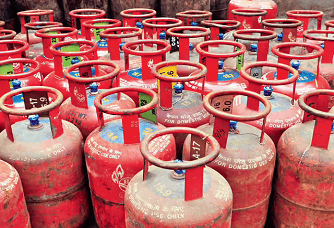
India’s LPG supply crisis is starting to affect everyday households as disruptions in West Asia tighten fuel availability. State-run oil companies are now weighing an unusual step— delivering 10 Kg Gas Refills —to stretch limited supplies and keep distribution going.
According to a report, oil marketing companies may supply only 10 kg of LPG in standard 14.2-kg cylinders. The idea is simple: reduce the quantity per refill so more households can continue receiving gas during the ongoing LPG supply shortage in India.
A typical 14.2-kg cylinder lasts about 35–40 days for an average family. Officials believe a 10-kg refill could still last close to a month, making it a workable compromise in the current situation. This move could help balance demand and supply as imports remain under pressure.
Also Read: India's Leadership in AMR Genomics Through Nanopore Technology
Still, the plan comes with hurdles. Bottling plants would need to recalibrate systems to handle smaller refills. Regulatory approvals may also be required before any rollout. There are concerns about public reaction too. A sudden drop in cylinder quantity could confuse consumers and trigger backlash, especially with elections approaching in some states.
The LPG supply crisis India is largely driven by disruptions in shipments from the Gulf, which is a major source of India’s fuel imports. At present, no new LPG shipments are on the way. Only two carriers carrying about 92,700 tonnes—roughly equal to one day of national demand—managed to pass through the Strait of Hormuz last week.
At the same time, restoring partial LPG supply to commercial users has added pressure on already tight inventories. Earlier, commercial supply had been cut off to prioritize households, but now about 40 percent of those allocations have resumed.
Government officials have called the situation “worrisome” and urged people to use LPG carefully. Despite the strain, authorities say household deliveries are still continuing without disruption for now. However, the numbers show early signs of impact. LPG consumption dropped by 17 percent in the first half of March, suggesting both homes and businesses are adjusting usage.
India’s heavy reliance on imports makes the situation more fragile. Around 60 percent of LPG demand is met through imports, and nearly 90 percent of that used to come from the Gulf region. Disruptions in the Strait of Hormuz—one of the world’s busiest energy routes—have made supply uncertain and pushed global fuel prices higher.
Geopolitical tensions have only added to the instability. Reports indicate selective movement of ships through the strait, with several India-linked LPG carriers waiting for clearance. With multiple tankers still stuck, supply timelines remain unclear.
For households, the impact could soon become more visible. If the crisis continues, smaller LPG refills and tighter supply management may become the new normal. How long this lasts will depend on how quickly global tensions ease and shipping routes stabilize.


.jpg "AR Enterprises: Building The Supply Networks Behind India's Construction Growth")




We use cookies to ensure you get the best experience on our website. Read more...