Save Fuel became a national talking point this week after Prime Minister Narendra Modi urged citizens to reduce fuel use.
Just four days later, oil companies increased petrol and diesel prices by Rs 3 per litre across India. The sudden move has triggered political reactions, online debates, and public concern over rising daily expenses.
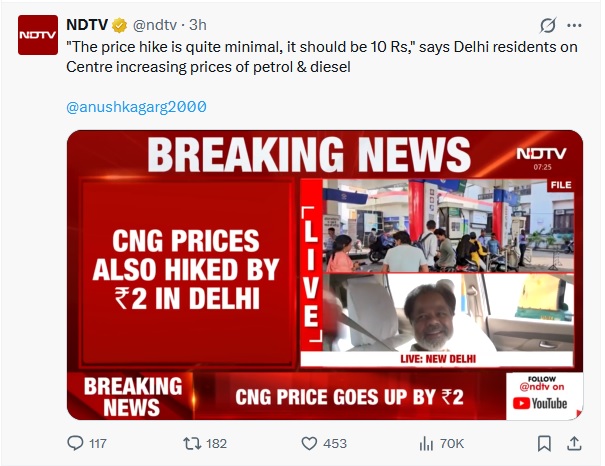
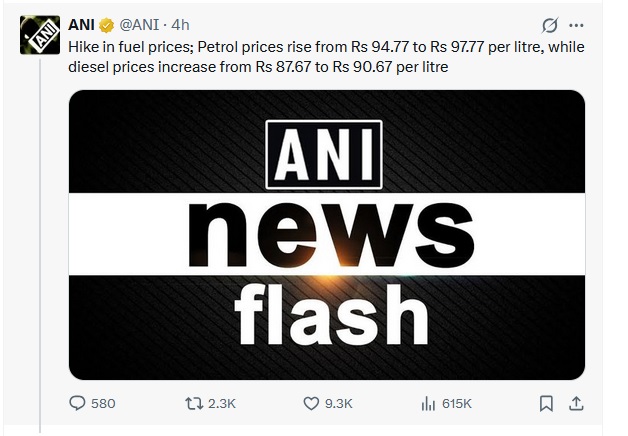
The fuel price hike came into effect on May 15. Petrol in Delhi now costs Rs 97.77 per litre, while diesel costs Rs 90.67. This is the first major increase in nearly four years.
Experts say the decision was linked to rising global crude oil prices and tensions in West Asia. Oil supply concerns around the Strait of Hormuz have pushed international energy prices sharply higher.
Four days before the price hike, PM Modi asked people to use fuel carefully. He advised citizens to avoid unnecessary travel and reduce fuel consumption wherever possible.
The Prime Minister also suggested work-from-home policies, carpooling, and using public transport more often. Several state governments and ministries quickly announced fuel-saving measures after the appeal.
Also Read: Will India-UAE Energy Pacts Strengthen LPG Supply Security?
Delhi announced two work-from-home days for government offices. Maharashtra decided to avoid large state events for six months. Senior officials in Uttar Pradesh even cycled to offices to support the campaign.
Many political leaders and analysts believed the Save Fuel message was preparing the public for a fuel price increase. Opposition parties openly questioned the timing of the appeal.
India imports a large share of its crude oil needs. Global oil prices recently crossed $120 per barrel because of the ongoing West Asia crisis.
State-run oil companies were reportedly facing heavy financial pressure. Reports said companies had absorbed losses for months to avoid increasing prices during election season.
The latest Rs 3 increase is seen as a partial adjustment rather than a full correction. Some reports claimed fuel prices may still need further revisions if crude prices remain high.
The price rise is also expected to impact transportation costs and daily essentials. Higher fuel costs usually increase logistics expenses, which later affect food and retail prices.
Meanwhile, CNG prices in Delhi-NCR and Mumbai also increased by around Rs 2 after the petrol and diesel revision.
|
City |
Petrol Price |
Hike in Rs |
|
Delhi |
97.77 |
3 |
|
Kolkata |
108.74 |
3.29 |
|
Mumbai |
106.68 |
3.14 |
|
Chennai |
103.67 |
2.83 |
|
City |
Diesel Price |
Hike in Rs |
|
Delhi |
90.67 |
3 |
|
Kolkata |
95.13 |
3.11 |
|
Mumbai |
93.14 |
3.11 |
|
Chennai |
95.25 |
2.86 |
The fuel price hike quickly became one of the biggest discussion topics online. Many users linked the increase directly with PM Modi’s earlier Save Fuel appeal.
Memes and criticism flooded social media platforms after the announcement. Some users called the appeal a warning before the price increase. Others defended the government by pointing at global oil market pressure.
Long queues were also seen at petrol pumps in states like Odisha and Chhattisgarh after rumors of fuel shortages spread online. State governments later clarified that fuel supplies remained stable.
Despite criticism, officials say India must prepare for continued pressure if the global oil crisis deepens further.
The coming weeks may decide whether this Rs 3 increase remains temporary or becomes the start of another long fuel inflation cycle in India.







We use cookies to ensure you get the best experience on our website. Read more...