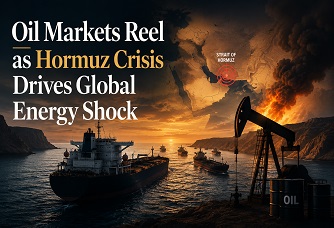
Global energy markets remained on edge from May 4–8, 2026, as the ongoing US-Iran conflict and continued disruptions in the Strait of Hormuz triggered sharp oil price swings, rising fuel costs, and fears of global supply shortages. Governments, energy companies, and traders closely monitored diplomatic signals and military operations throughout the volatile week.
The week of May 4-8 highlighted the fragile balance in global energy supply amid geopolitical risks. Disruptions in the critical Strait of Hormuz, which normally carries about one-fifth of the world's oil and LNG, continued to dominate headlines despite a fragile April ceasefire.
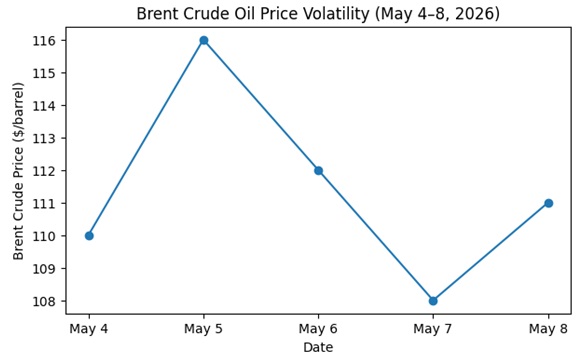
Brent crude prices surged above the $110-per-barrel mark during the early part of the week, briefly touching the $116 range before retreating amid reports that limited tanker traffic had resumed through the Strait. WTI crude oil followed a similar trajectory, reflecting the market’s extreme sensitivity to military and diplomatic developments in the Persian Gulf.
One of the biggest developments came as OPEC+ announced a modest increase of 188,000 barrels per day in June production quotas. The move, revealed around May 3–4, was largely viewed as symbolic rather than transformative, given the ongoing shipping disruptions and uncertainty surrounding actual global oil supply availability.
Meanwhile, the United States intensified its maritime security efforts through “Project Freedom,” a multinational naval operation designed to escort commercial tankers and restore confidence in shipping lanes across the Strait of Hormuz. The initiative aimed to stabilize energy markets and reassure importing nations dependent on Gulf LNG supplies.
The crisis also pushed US oil exports to record highs. American crude exports reportedly reached around 5.3 million barrels per day in April, helping fill supply gaps left by Middle Eastern disruptions. However, the strong export pace contributed to tighter domestic fuel inventories ahead of the summer driving season.
American consumers felt the impact directly at fuel stations, with the national average gasoline prices climbing above $4.50 per gallon during the week. Diesel prices rose even faster, while states such as California experienced significantly higher retail fuel costs.
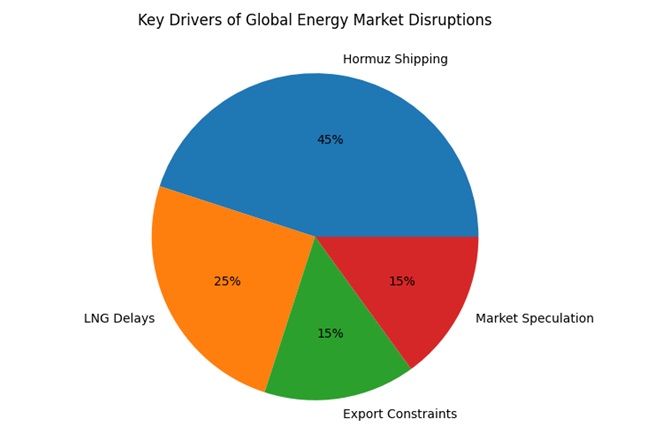
Industry leaders also warned of a potential physical oil shortage. Executives from major companies, including Chevron, alongside analysts at Goldman Sachs, cautioned that global oil inventories were approaching eight-year lows. Experts warned that higher energy prices could eventually slow economic growth if disruptions continue.
Also Read: India Successfully Tests MIRV-Capable Agni Missile Over Indian Ocean
Major oil companies benefited financially from the rally in crude prices. Shell reported quarterly earnings approaching $7 billion, reigniting political debate in several countries over possible windfall taxes on energy giants profiting during the crisis.







We use cookies to ensure you get the best experience on our website. Read more...