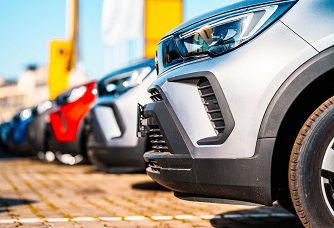
Rural India is buying, and the question now turns to whether Indian auto manufacturing is built to deliver.
One year after GST rationalization, small cars and sub-350cc two-wheelers drive a Bharat-led sales surge that outpaces urban markets.
Manufacturers must decide whether to re-allocate capacity and capex back into entry-level platforms or treat the demand as temporary.
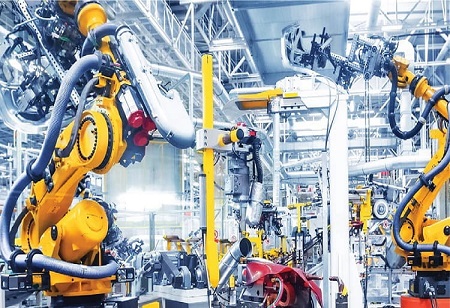
Retail recovery has already rewritten the numbers. The next test lies in whether assembly lines, dealership stocking and supply chains shift from urban-centric models to a rural-first approach that sustains the momentum.
This article examines how the GST-driven rural sales boom challenges Indian auto makers to retool capacity for small cars and sub-350cc two-wheelers while redesigning distribution for Bharat-first demand. It tracks the sustained retail recovery across vehicle categories and asks whether companies such as Maruti Suzuki, Tata Motors, Hero, TVS and Bajaj now redirect investment toward entry-level models or hold back.
GST rationalization completed one year and turned the automobile sector into one of the biggest beneficiaries. The decision cut GST on small cars and sub-350cc two-wheelers from 28 per cent to 18 per cent.
Larger cars moved to 40 per cent after removal of the compensation cess. Tractors below 1,800cc dropped from 12 per cent to 5 per cent. Federation of Automobile Dealers Associations (Fada) data show most of the revival occurred in small-car sales powered by better-performing rural markets.
Maruti Suzuki’s rise itself proves the strength of the small-car segment. Every major player recorded a massive sales spike. Fada marks January-August 2025 as relatively subdued and identifies September as the turning point when lower rates improved affordability.
October retail sales then jumped 40.5 per cent year-on-year. Two-wheelers climbed nearly 52 per cent to a record 3.15 million units. Passenger vehicles reached a record 557,000 units. The surge did not fade with the festival season.
Key monthly gains include:
Sai Giridhar, president of Fada, notes that companies should continue the momentum by keeping models affordable. Sheena Sareen of Deloitte India adds that the industry still awaits clarity on transitional treatment of accumulated compensation-cess credit.
Also Read: India Set to Cross 5 Million Car Sales in FY27: Auto Industry Growth Vision
For years manufacturers quietly de-prioritized small-car platforms in favor of higher-margin SUVs and premium models. The GST cut reversed that economics almost overnight. Sustained rural growth above 24 per cent across categories suggests the shift may prove structural rather than fleeting.
The manufacturing question now stands sharp; do Maruti Suzuki, Tata Motors and two-wheeler majors Hero, TVS and Bajaj redirect capex and assembly-line capacity back into entry-level models, or do they treat the demand as a temporary blip not worth re-tooling for?
The Bharat-led divergence carries direct manufacturing implications. In October, rural PV growth ran over three times the urban rate while rural two-wheeler growth nearly doubled its urban counterpart.
The gap persisted as rural PV retail grew 34.21 per cent in February against 21.12 per cent in urban markets, and 20.40 per cent in April against 7.11 per cent in urban markets.
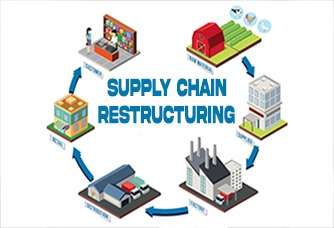
This pattern changes where companies must weight dealership stocking, service infrastructure and component sourcing. The industry must move from urban-centric manufacturing-to-market logistics toward a rural-first supply chain that matches the new geography demand.
The first year of rate rationalization shows that lower taxes can stimulate demand. Durability now depends on whether manufacturers preserve the affordability benefit despite rising input costs and whether they re-align production capacity and distribution networks to serve the rural buyers who currently drive the recovery.

.jpg "AR Enterprises: Building The Supply Networks Behind India's Construction Growth")
.jpg "Industrial Packers: Engineering Industrial Packaging for India's Manufacturing Future")



We use cookies to ensure you get the best experience on our website. Read more...