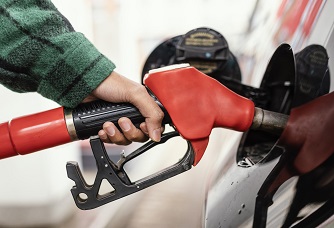
Petrol loses its long-held lead as India’s car market shifts gears toward alternative fuels in a defining month for the automobile industry.
August 2026 delivers the biggest-ever auto retail month, with CNG, hybrids, and electric vehicles collectively overtaking petrol in passenger vehicle sales for the first time.
This crossover reflects changing buyer priorities around running costs, cleaner options, and wider model availability.
Rural markets drive stronger growth than urban centers, while overall volumes climb 17.51 per cent year-on-year despite a monsoon slowdown. Dealers and industry bodies now turn their attention to the festive period as the true measure of demand strength.
Alternative fuels claim 41.95 per cent of passenger vehicle retail sales in August, while petrol holds 40.85 per cent, according to the Federation of Automobile Dealers Associations (FADA). This marks the first time the combined share of CNG, hybrids, and electric vehicles surpasses petrol in India’s history.
A year earlier, petrol led by nearly 11 percentage points. Petrol/ethanol share falls to 40.85 per cent from 46.37 per cent, CNG rises to 25.28 per cent, hybrids reach 9.04 per cent, and EVs climb to 7.63 per cent.
Total EV retail across all categories hits 2,98,448 units, up 52.9 per cent year-on-year, lifting overall EV penetration to about 12.3 per cent from 9.5 per cent. This shift shows buyers actively choosing lower operating costs and cleaner powertrains as infrastructure and model choices expand.
Also Read: How India's Tyre Industry Is Responding to a Changing Mobility Market
India’s auto retail market records 24,23,201 units in August, rising 17.51 per cent year-on-year, though easing 6.48 per cent from a record July. FADA President Sai Giridhar states that August delivered the biggest Indian auto retail month even as seasonal factors and a shifted festive calendar moved some demand into September.
Key segment results include:
Five of the six major categories set fresh August records. Maruti Suzuki leads passenger vehicles with a 41.05 per cent share, Honda tops two-wheelers, Bajaj Auto leads three-wheelers, and Tata Motors heads commercial vehicles.
Rural retail grows 19.79 per cent year-on-year against 15.17 per cent in urban markets across every category. Passenger vehicle rural sales rise 24.99 per cent, more than double the 10.93 per cent urban growth. Three-wheeler rural sales climb 23.95 per cent while urban sales fall 6.95 per cent. Rural commercial-vehicle sales grow 16.33 per cent versus 12.79 per cent in cities.
Tractors remain the exception, with rural sales up a modest 3.09 per cent and urban sales down 8.32 per cent, reflecting monsoon-linked pressure on farm incomes. This rural strength underlines broader economic resilience outside major cities and supports volume growth even during the monsoon period.
Passenger vehicle dealer inventory rises to around 38–40 days, above FADA’s recommended 21-day level, with 56 per cent of dealers reporting higher stock. FADA links part of the year-on-year strength to a soft base in August 2025, when buyers delayed purchases ahead of the GST rate cut.
For the September–November festive window, 81.62 per cent of dealers expect growth. FADA notes that the real test lies in showroom conversion as the monsoon eases and price changes take effect from 1 September. The combination of record volumes, the first-time fuel-share crossover, and robust rural demand positions the market for a critical festive assessment of sustained momentum.







We use cookies to ensure you get the best experience on our website. Read more...