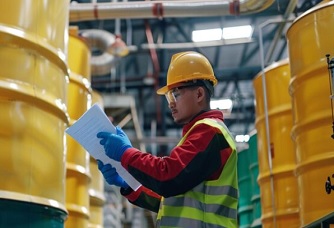
Indian Oil Corporation (IOC) has responded to the growing E20 fuel controversy by launching thousands of surprise inspections across the country.
The move comes after social media posts raised concerns over fuel quality and claimed that E20 petrol caused vehicle damage.
The company said its checks found no signs of widespread fuel adulteration or contamination. It also urged customers to report issues through official channels instead of relying on unverified online claims.
The latest response follows growing public concern over ethanol-blended petrol. Reports and viral videos questioned whether E20 fuel was responsible for engine problems.
However, Indian Oil Corporation (IOC) said its recent inspections confirmed that fuel supplied through its retail outlets met quality standards. The company added that it follows a zero-tolerance policy toward fuel quality violations.
IOC said it conducted nearly 10,000 surprise inspections over the past week. The company also completed more than 8,500 fuel quality tests at fuel stations. Hundreds of inspection teams were deployed to independently verify compliance with fuel quality norms.
According to IOC, the inspections found no evidence of widespread adulteration or contamination. The company stressed that maintaining fuel quality remains a top priority across its retail network.
Other public sector oil marketing companies also carried out similar checks.
BPCL reported that it conducted:
The company said it found no cases of fuel adulteration, contamination, or major compliance issues.
HPCL also stepped up its inspection drive.
Its checks included:
HPCL also reported no instances of fuel adulteration or critical fuel quality lapses.
Also Read: Flex-Fuel Guidebook: Accelerating the Ethanol Mobility Revolution
While the inspection results address fuel quality concerns, they do not completely settle the debate around vehicle damage linked to E20 petrol.
Recent social media posts claimed that ethanol-blended fuel damaged engines and fuel system components. These claims gained attention after several vehicle owners shared their experiences online. The reports also sparked discussions over whether all vehicles are fully compatible with higher ethanol blends.
IOC's statement focuses only on the quality of fuel supplied through its outlets. It does not conclude whether individual vehicle issues were caused by fuel compatibility, maintenance, or other mechanical factors.
Industry experts have often noted that fuel quality and vehicle compatibility are separate issues. A vehicle may experience performance problems due to multiple reasons, even when the fuel meets prescribed standards.
The response from IOC, BPCL, and HPCL appears aimed at restoring confidence in ethanol-blended fuel as India continues its ethanol blending program.
The companies urged customers to use official grievance channels if they suspect fuel quality issues. They also said strict action would be taken against any dealer found violating quality standards.
As concerns over E20 fuel continue, the latest inspection drive provides reassurance on fuel quality. However, questions surrounding vehicle compatibility and the long-term impact of higher ethanol blends are likely to remain part of the ongoing discussion.






We use cookies to ensure you get the best experience on our website. Read more...