India’s latest move to restrict paraquat dichloride has reignited a critical debate over whether public health or agricultural production efficiency is crucial.
This rule is crucial, especially as the country balances food security with safety concerns. The rule demands a ban on the widely used herbicide amid rising evidence of its toxicity and concerns about accidental poisonings and suicides.
While paraquat remains an effective and affordable weed control solution for farmers, its severe health risks have prompted authorities to reconsider its continued use.
This policy shift reflects a broader dilemma in protecting lives without undermining farm productivity and rural livelihoods.
The Indian government has proposed a ban on paraquat dichloride primarily due to its extreme toxicity and the absence of a known antidote. Regulatory authorities highlighted that the chemical has been linked to numerous poisoning cases, both accidental and intentional. That significantly raises serious public safety concerns.
The draft rules are part of a larger effort to tighten pesticide regulations and align India with global practices. As several countries have already banned or restricted paraquat.
Therefore, health experts and advocacy groups have consistently urged stricter controls. It also mentions the disproportionate risks faced by rural populations who lack access to immediate medical care.
The government’s move indicates a shift toward prioritizing long-term human safety over short-term agricultural convenience. As it acknowledges the challenges such a transition may create for farmers.
Also Read: Reducing Biomass Fire Risks with Smarter Yard Engineering
Paraquat dichloride is considered one of the most hazardous herbicides due to its rapid and severe impact on human health. Exposure can occur through ingestion, inhalation, or skin contact, and even small amounts can lead to organ failure, particularly affecting the lungs, kidneys, and liver.
Medical reports have repeatedly linked paraquat poisoning to high fatality rates, with symptoms ranging from nausea and respiratory distress to irreversible lung damage.
Several studies and field reports have also pointed to its association with long-term neurological issues. That significantly raises concerns about potential links to chronic diseases.
Its widespread availability in rural areas has made it a common agent in suicide cases. That further amplifies the urgency for regulatory action. The lack of a definitive treatment or antidote has made the outcomes worse, making prevention the only effective safeguard.
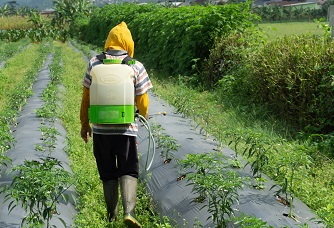
Paraquat remains popular among farmers due to its effectiveness in quickly eliminating weeds, reducing labor costs, and improving crop yields. It is particularly valued in large-scale farming operations where manual weed removal is time-consuming and expensive.
For many farmers, especially smallholders, it offers a cost-efficient solution that supports productivity and profitability. Even though safer herbicides are available, they are often more expensive or less effective. This in turn, could increase input costs for farmers.
Non-chemical methods such as mechanical weeding, crop rotation, and integrated weed management are being promoted as sustainable options. But they require greater awareness, training, and initial investment.
India’s proposed ban on paraquat dichloride reflects a complex policy crossroads, where safeguarding public health must be carefully balanced. This move is likely to reduce health risks and prevent fatalities, it also calls for a structured transition plan to support farmers with safer, affordable alternatives.
The coming months will determine how effectively India can navigate this shift without compromising either human safety or agricultural productivity.







We use cookies to ensure you get the best experience on our website. Read more...