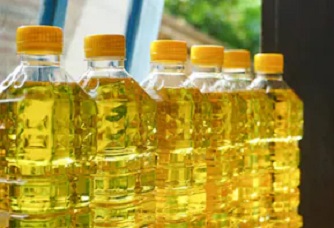
India must target 60% edible oil self-sufficiency, according to Wilmar International Chairman Kuok Khoon Hong, who believes the country needs to reduce its heavy dependence on imports and strengthen domestic production to ensure long-term food security in India.
With edible oil demand in India steadily rising, industry leaders say the country can no longer rely heavily on global markets that are often affected by supply disruptions, geopolitical tensions, and fluctuating prices.
Speaking about India’s growing edible oil demand, Kuok highlighted the importance of increasing local oilseed cultivation to reduce the country’s import burden. India currently imports a large share of its edible oil requirements, including palm oil imports, soybean oil, and sunflower oil, making it vulnerable to sudden price changes in international markets.
According to Kuok, India should aim to become at least 50–60% self-sufficient in edible oils over time. He stressed that a stable and long-term policy framework from the government would encourage farmers to invest more confidently in oilseed farming in India.
Also Read: Fuel Prices Rise Again, Fourth Hike in Under Two Weeks
Experts say consistent support measures, better pricing systems, and stronger incentives for farmers could help increase the production of crops such as mustard, soybean, sunflower, and groundnut. Improving domestic edible oil production could also reduce pressure on import bills and provide greater price stability for consumers.
India’s edible oil sector has often faced challenges due to global events. From supply chain disruptions to geopolitical conflicts affecting major exporting nations, international developments have repeatedly influenced cooking oil prices in India. This has raised concerns over the country’s heavy reliance on edible oil imports to meet growing domestic demand.
India remains one of the world’s biggest importers of edible oils, sourcing supplies mainly from countries such as Indonesia, Malaysia, Argentina, Brazil, Russia, and Ukraine. While demand has increased due to population growth, changing food habits, and expansion in the food processing sector, India edible oil market growth has continued to outpace domestic supply.
Agriculture experts point out that India had previously made notable progress in oilseed production during the “Yellow Revolution,” when focused government initiatives boosted output. However, issues such as unpredictable weather, fragmented farmland, and inconsistent returns for farmers slowed further growth in later years.
Industry leaders now believe the renewed push for India edible oil self-sufficiency could open the door for stronger agricultural reforms and investment in farming infrastructure. Better irrigation systems, improved seed quality, and modern farming techniques are seen as essential to increasing oilseed production in India.
At the same time, policymakers will need to maintain a balance between affordable prices for consumers and fair earnings for farmers. If India succeeds in increasing domestic production, it could reduce exposure to global edible oil prices while improving food security and controlling inflation linked to imports.
As edible oil demand continues to grow, experts say reaching the 60% self-sufficiency target will require coordinated efforts between the government, farmers, and industry stakeholders. For many, reducing import dependence is no longer just an economic goal, but a key step toward long-term India food security.







We use cookies to ensure you get the best experience on our website. Read more...